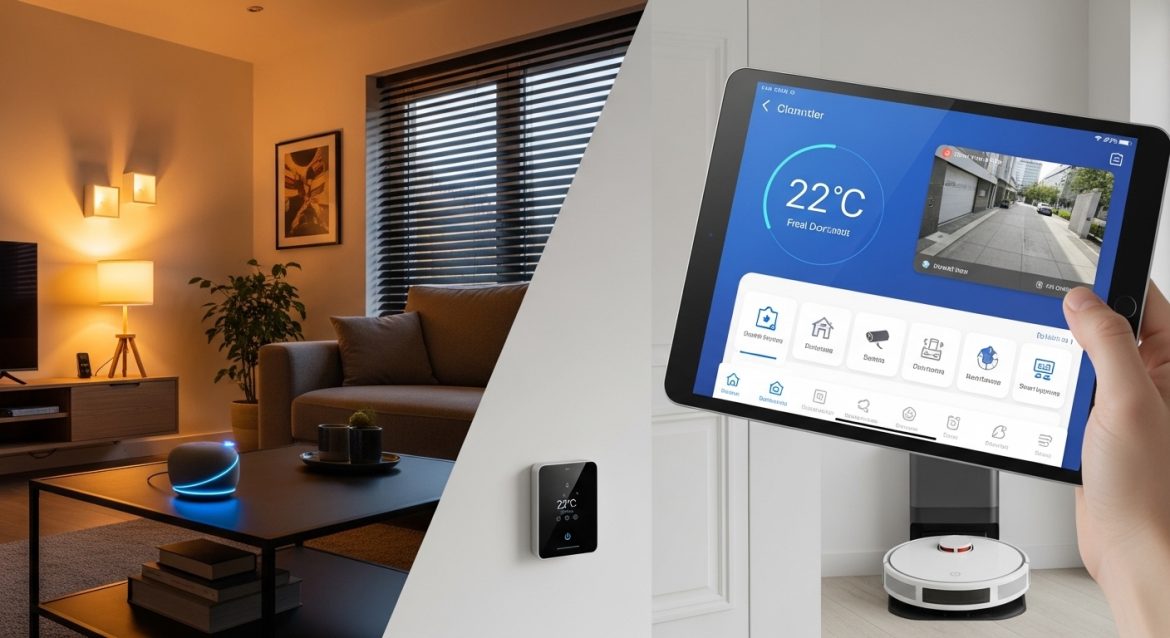
Most homes still depend on manual switches, scattered remotes, and disconnected devices. That slows routines, wastes energy, and increases security risks. Home automation solves these problems by linking devices into one intelligent system that works automatically and responds instantly.
Today, smart living is no longer expensive or complicated. With the right setup, lights adjust themselves, doors secure automatically, appliances run efficiently, and routines become predictable. The result is a home that saves time, improves safety, and reduces utility costs.
This guide explains practical home automation ideas you can implement step by step. Whether you live in an apartment or a large house, these strategies help you build a smarter and more efficient environment without unnecessary complexity.
What Are the Best Home Automation Ideas for Beginners?
Home automation ideas include installing smart lighting, voice assistants, automated security systems, smart thermostats, motion sensors, and app-controlled appliances. These upgrades improve safety, convenience, and energy efficiency. Beginners should start with lighting automation and voice control because they are affordable, easy to install, and scalable later.
Snippet Answer: Home automation ideas include smart lighting, automated locks, voice assistants, motion sensors, smart thermostats, appliance scheduling, and security cameras. These systems improve convenience, safety, and efficiency by allowing remote control, automation routines, and energy monitoring through mobile apps, voice commands, and connected sensors across the home environment.
Many homeowners delay automation because they assume it requires complex wiring or large investments. In reality, most modern smart devices connect wirelessly and install within minutes.
The easiest starting point is lighting automation. Replace traditional bulbs with smart bulbs and control them through a mobile app or voice assistant. This creates instant convenience without structural changes.
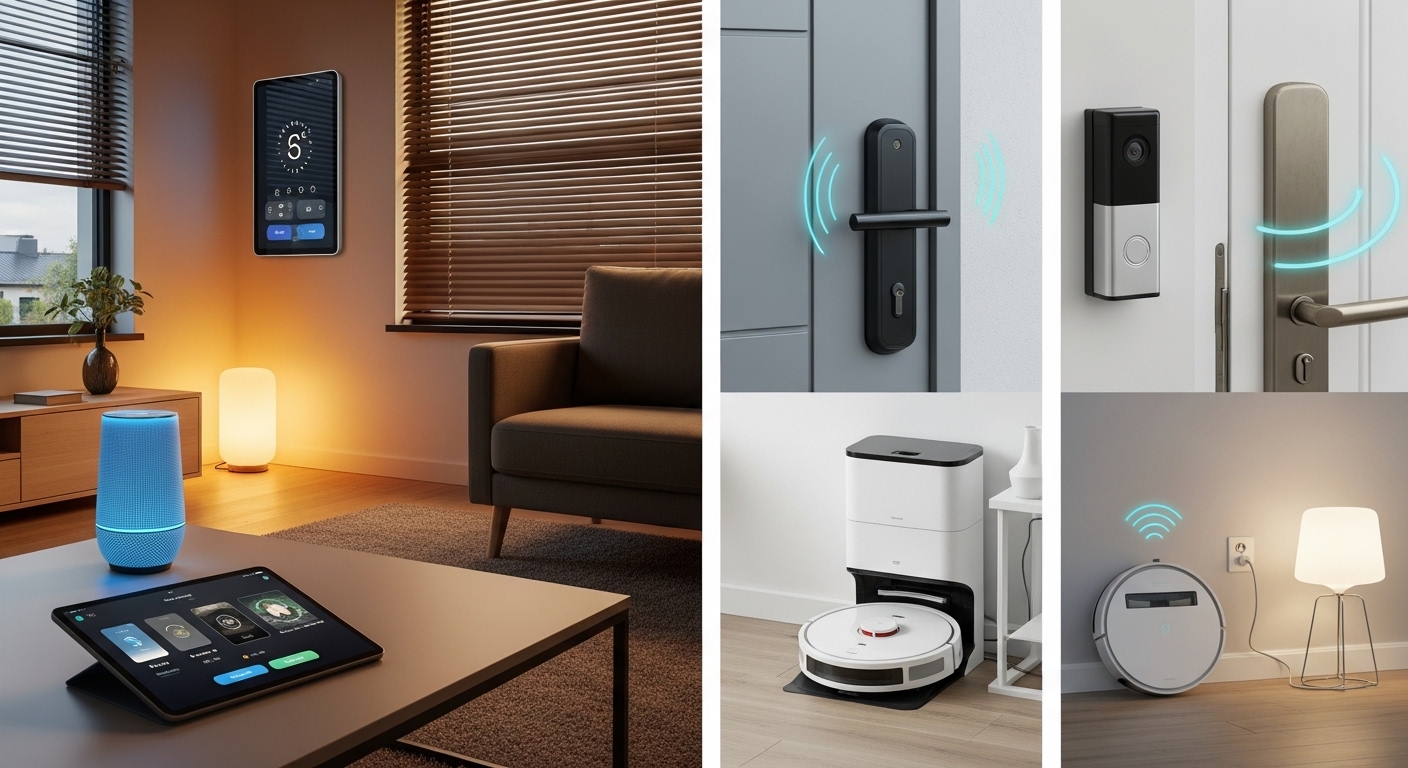
Next, add a smart speaker or hub. A central controller allows devices to communicate with each other. Once connected, routines become possible. For example, one command can switch off lights, lock doors, and activate cameras simultaneously.
- Start with smart bulbs
- Add a voice assistant
- Connect plugs and switches
- Build automation routines
This layered approach prevents overspending and ensures every upgrade delivers measurable value.
How Can Smart Lighting Improve Daily Convenience?
Smart lighting improves convenience by allowing remote control, automation scheduling, motion-based activation, and brightness adjustment through apps or voice commands. It reduces electricity usage and eliminates manual switching while improving nighttime safety and creating customizable lighting environments for work, relaxation, and sleep routines.
Lighting automation is the fastest way to transform a home environment. It removes dependence on physical switches and replaces them with intelligent control.
Schedule-based lighting ensures lights turn on at sunset and off at bedtime automatically. Motion-based lighting activates when someone enters a hallway or bathroom. This improves safety and reduces energy waste.
Another advantage is scene control. Instead of adjusting multiple switches, one command creates the desired environment instantly.
- Reading mode increases brightness
- Relax mode reduces intensity
- Night mode activates pathway lighting
- Away mode simulates occupancy
Smart lighting also supports remote control. If lights remain on after leaving home, they can be switched off instantly using a mobile device.
This single upgrade reduces electricity consumption while improving comfort across all rooms.
Which Smart Security Automation Ideas Protect Your Home Best?
Smart security automation protects homes using connected cameras, motion sensors, smart locks, alarms, and mobile alerts. These systems monitor activity in real time and allow remote access control. Automated security routines reduce unauthorized entry risks and ensure continuous surveillance even when homeowners are away.
Traditional security systems operate passively. Smart systems operate continuously and intelligently.
Install smart door locks first. These allow access through PIN codes, fingerprint authentication, or mobile apps. Temporary codes can be shared with visitors and revoked instantly.
Motion sensors add another protection layer. When unexpected movement occurs, notifications are sent immediately.
Security cameras strengthen monitoring further. Modern cameras support live streaming and night vision.
- Entrance monitoring cameras
- Door and window sensors
- Garage automation alerts
- Smart alarm triggers
Integration between devices increases effectiveness. For example, motion detection can activate lights automatically, making intrusions visible immediately.
This combination builds a proactive security system instead of a reactive one.
How Do Smart Thermostats Reduce Energy Costs?
Smart thermostats reduce energy costs by adjusting temperature automatically based on schedules, occupancy detection, and weather conditions. They optimize heating and cooling cycles to prevent unnecessary usage. Remote access ensures homeowners can manage climate settings efficiently from anywhere using a smartphone or automation routines.
Heating and cooling systems consume the highest share of household electricity. Smart thermostats address this directly.
Instead of running continuously, they operate based on occupancy. When no one is home, energy usage drops automatically.
Weather-based adjustments improve efficiency further. Temperature settings change according to outdoor conditions.
Usage reports also help homeowners understand consumption patterns.
| Feature | Traditional Thermostat | Smart Thermostat |
|---|---|---|
| Remote Control | No | Yes |
| Scheduling | Limited | Advanced |
| Energy Reports | No | Yes |
| Automation Integration | No | Yes |
These features reduce unnecessary cooling cycles and help maintain consistent comfort throughout the home.
What Kitchen Automation Ideas Save the Most Time?
Kitchen automation saves time through smart refrigerators, automated coffee makers, voice-controlled appliances, and app-connected cooking devices. These tools manage grocery tracking, cooking schedules, and energy usage efficiently. Automation reduces repetitive kitchen tasks and improves meal planning accuracy for busy households.
The kitchen offers strong automation potential because routines repeat daily.
Smart refrigerators monitor inventory and notify users when supplies run low. This reduces unnecessary shopping trips.
Automated coffee machines prepare beverages on schedule. Morning routines become predictable and faster.
Voice assistants simplify cooking processes. Timers, measurements, and recipe steps become hands-free.
Smart plugs can also automate small appliances.
- Rice cookers
- Microwaves
- Blenders
- Electric kettles
Kitchen automation improves workflow efficiency without requiring expensive upgrades.
How Can Voice Assistants Control an Entire Smart Home?
Voice assistants control smart homes by connecting lighting, appliances, security systems, and entertainment devices into a single command network. Users can activate routines, adjust settings, and monitor home activity instantly. Voice control eliminates manual switching and improves accessibility across all connected automation systems.
Voice assistants act as the central interface of automation systems. Instead of opening multiple apps, users control everything through one command.
Common routines include bedtime automation, departure routines, and morning activation sequences.
For example:
- Turn off all lights
- Lock doors
- Activate security cameras
- Adjust thermostat
This sequence executes instantly through a single instruction.
Voice assistants also improve accessibility for elderly users and individuals with mobility challenges.
They transform automation from a technical system into a natural interaction experience.
What Entertainment Automation Ideas Improve Home Experience?
Entertainment automation improves home experience by synchronizing smart TVs, speakers, streaming devices, and lighting systems. Users can control media playback, sound levels, and ambiance through automation routines. These systems create immersive viewing environments and eliminate the need for multiple remote controls across entertainment setups.
Entertainment automation simplifies media management significantly.
Instead of adjusting multiple remotes, one command activates a complete viewing environment.
Lighting can dim automatically when a movie starts. Speakers adjust volume levels depending on room occupancy.
Multi-room audio systems extend music playback across the entire house.
- Living room theater automation
- Bedroom audio scheduling
- Whole-home music control
- Streaming platform shortcuts
These upgrades increase comfort while reducing setup complexity.
How Can Smart Sensors Automate Everyday Home Tasks?
Smart sensors automate everyday tasks by detecting motion, temperature, humidity, and door activity. These sensors trigger lighting, ventilation, security alerts, and appliance activation automatically. Sensor-based automation reduces manual interaction and improves efficiency by ensuring systems respond instantly to environmental changes.
Sensors form the intelligence layer of automation systems.
Motion sensors activate hallway lighting automatically at night. Door sensors notify users when entrances remain open.
Humidity sensors improve bathroom ventilation efficiency. Temperature sensors adjust climate control systems dynamically.
Examples of practical automation include:
- Lights activate when entering rooms
- Fans switch on during humidity spikes
- Alerts trigger when doors open
- Security systems arm automatically
Sensor-driven automation reduces effort while improving safety and comfort simultaneously.
Conclusion: Building a Smarter Home Step by Step
Home automation transforms ordinary houses into responsive environments that support daily routines efficiently. Instead of managing devices manually, automation coordinates them intelligently.
Start with lighting and voice assistants. Add security upgrades next. Then expand into sensors, thermostats, and entertainment systems gradually.
This step-by-step strategy ensures every improvement delivers measurable convenience and energy savings.
The best time to begin automation is now. Choose one system today, install it, and build forward from there. Small upgrades compound quickly into a fully connected smart home environment.
Frequently Asked Questions About Home Automation Ideas
What is the easiest home automation system to install?
Smart lighting systems are the easiest automation upgrades to install. Most smart bulbs connect through Wi-Fi and require no wiring changes. They provide scheduling, remote control, and voice assistant compatibility immediately after installation.
Is home automation expensive to start?
Home automation can start with low-cost devices like smart plugs and bulbs. These entry-level upgrades provide noticeable convenience improvements without requiring large investments or professional installation services.
Can home automation work without internet?
Some automation devices operate locally through hubs even without internet access. However, remote monitoring and mobile notifications usually require an active internet connection for full functionality.
Are smart homes safe from hacking?
Smart homes remain secure when users enable strong passwords, update firmware regularly, and use encrypted Wi-Fi networks. Security risks increase only when devices remain outdated or improperly configured.
Do smart devices increase electricity usage?
Smart devices typically reduce electricity consumption by optimizing schedules and preventing unnecessary appliance operation. Energy monitoring features help identify waste and improve efficiency further.
Can renters install home automation systems?
Renters can install wireless automation devices such as smart bulbs, plugs, and sensors without structural changes. These portable upgrades work well in temporary living spaces.
Which automation device should I buy first?
Smart lighting is usually the best first purchase because it delivers immediate benefits and integrates easily with future automation upgrades like sensors and voice assistants.
Read More Also: The Ultimate Guide to Types of Inground Pools: Find Your Perfect Backyard Oasis
Learn More: 10 tricks to make your artificial plants look more real