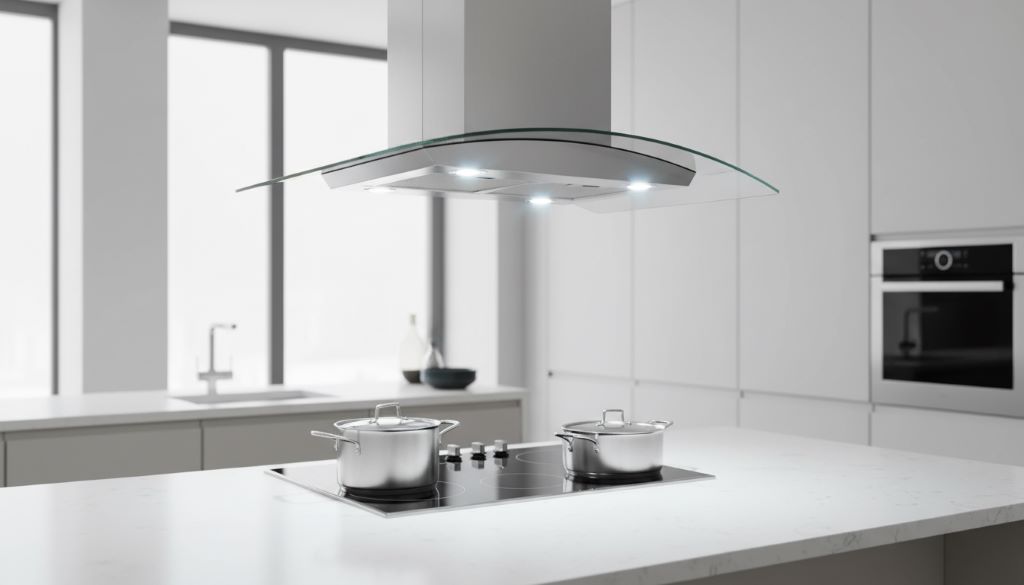
Imagine stepping into your kitchen and feeling fresh air while cooking your favorite meal. An island hood makes this possible by pulling away smoke and odors right above your cooktop. You want the best one for your space, and this guide helps you pick it wisely. First, think about how an island hood for kitchen fits your setup. According to the U.S. Environmental Protection Agency, proper kitchen ventilation reduces indoor air pollutants by up to 90 percent. A study from the National Institute of Standards and Technology shows that effective hoods cut cooking emissions significantly, improving home health. This article walks you through choices step by step. We cover layouts, features, and tips to match your needs. By the end, you gain confidence in your decision.
Understanding Island Hoods
Island hoods hang over kitchen islands, unlike wall-mounted versions. They serve as focal points in open layouts. You see them in modern homes where cooking happens centrally. These devices capture steam, grease, and smells efficiently. Homeowners love them for keeping air clean during meal prep.
Moreover, they add style to your room. Designers often pick them to blend with cabinets or counters. You might wonder why choose one over others. Well, they work best in spaces without nearby walls. This setup allows free movement around the island.
Additionally, consider how they operate. Most use fans to suck up air. Some vent outside, while others recirculate. Each type suits different homes. For instance, venting models remove pollutants completely. Recirculating ones filter and return air indoors.
Furthermore, safety plays a role here. Good ventilation prevents fire hazards from grease buildup. You protect your family this way. Experts recommend them for frequent cooks.
In addition, think about energy use. Efficient models save on bills over time. You find options with low power draw. This matters for eco-conscious folks.
What Makes Island Hoods Essential
Kitchens evolve into social hubs today. You host friends while stirring pots. An island hood keeps conversations clear without smoky interruptions. It pulls away fumes swiftly.
Besides, health benefits stand out. Poor air quality leads to respiratory issues. The Centers for Disease Control and Prevention notes that cooking releases particles harmful to lungs. A strong hood mitigates this risk.
Also, they preserve your kitchen’s look. Grease doesn’t settle on surfaces. You spend less time cleaning cabinets or ceilings.
On top of that, noise control improves experience. Quiet models let you chat easily. You enjoy cooking more.
Finally, versatility shines through. They fit various island sizes. You customize based on your setup.
Assessing Your Kitchen Layout
Start by measuring your space. You need accurate dimensions for the island and ceiling height. This ensures the hood fits perfectly.
Next, evaluate cooking habits. Frequent frying calls for powerful ventilation. Light cooking might need less.
Then, check ceiling structure. Beams or lights affect installation. You plan around these elements.
Moreover, consider traffic flow. Open layouts benefit from centered hoods. They allow easy access from all sides.
Additionally, note window placements. Natural light influences design choices. You balance function with aesthetics.

Furthermore, think about appliance positions. The hood should align directly above the cooktop. This maximizes efficiency.
In addition, assess electrical needs. Outlets must support the hood’s power. You avoid rewiring hassles.
Besides, factor in budget constraints indirectly through features. Prioritize must-haves like strong suction.
Also, visualize the end result. Sketch your layout. This helps spot potential issues early.
On top of that, consult professionals if unsure. Architects offer insights on integration.
Finally, remember future changes. Flexible designs adapt to remodels.
Common Kitchen Layout Types
U-shaped kitchens surround you with counters. Island hoods fit centrally here. They enhance workflow.
L-shaped setups open one side. You place the island strategically. Hoods provide focused ventilation.
Galley styles are narrow. Islands add prep space. Compact hoods work best.
Open-concept homes blend living areas. Statement hoods define the kitchen zone.
Peninsula layouts extend from walls. Similar to islands, they need overhead extraction.
Each type influences hood choice. You match size to the area.
For example, large open kitchens suit bigger models. They handle more air volume.
Smaller spaces prefer slim designs. These maintain openness.
Key Features to Look For
Focus on suction power first. Measured in CFM, it indicates air movement. Higher numbers tackle heavy cooking.
Next, examine filter types. Baffle filters catch grease effectively. Mesh ones are easier to clean.
Then, check lighting options. LED bulbs illuminate your cooktop brightly. You see ingredients clearly.
Moreover, consider control panels. Touchscreens offer easy operation. Buttons provide tactile feedback.
Additionally, look at ducting requirements. Ducted systems expel air outside. Ductless recirculate it.
Furthermore, evaluate material quality. Stainless steel resists corrosion. Glass adds modern flair.
In addition, note speed settings. Multiple levels adjust to cooking needs. Low for simmering, high for searing.
Besides, think about smart features. Some connect to apps. You control them remotely.
Also, assess height adjustability. Telescopic models fit varying ceilings.
On top of that, check for auto-shutoff. This saves energy after use.
Finally, ensure compatibility with your stove. Gas needs stronger ventilation than electric.
Size and Dimensions Matter
Measure your cooktop width. The hood should extend beyond it by a few inches. This captures all fumes.
Consider ceiling height too. Standard installations hang 30 inches above the surface. Adjust for taller users.
Moreover, factor in island depth. Deeper islands need wider hoods. Balance coverage with aesthetics.
Additionally, think about overhang. Edges should align or slightly protrude. You avoid gaps.
Furthermore, calculate clearance space. Ensure room for head movement. Safety comes first.
In addition, note room volume. Larger kitchens require bigger units. They maintain air quality.
Besides, visualize proportions. Oversized hoods overwhelm small spaces. Undersized ones fail functionally.
Also, check manufacturer specs. They guide ideal sizes. Follow them closely.
On top of that, consider custom options. Tailored fits solve unique layouts.
Finally, test fit mentally. Imagine daily use. Comfort matters.
Ventilation Power Explained
CFM ratings tell the story. Cubic feet per minute measures air pull. Aim for 100 CFM per linear foot of cooktop.
For gas stoves, go higher. They produce more heat and smoke. Electric ones need less.
Moreover, understand sones for noise. Lower numbers mean quieter operation. You converse easily.
Additionally, explore blower types. Internal blowers are convenient. External ones reduce indoor noise.
Furthermore, learn about makeup air. Strong hoods sometimes require it. This balances pressure.
In addition, consider energy efficiency. Look for rated models. They perform well without waste.
Besides, test in showrooms if possible. Feel the power firsthand. Realism helps.
Also, read user reviews. Real experiences highlight strengths. You learn from others.
On top of that, factor in local codes. Regulations dictate minimums. Comply fully.
Finally, balance power with needs. Overkill wastes resources. Right fit optimizes.
Material and Design Choices
Stainless steel dominates for durability. It cleans easily and matches appliances. You achieve a cohesive look.
Glass options add elegance. Tempered varieties resist heat. They reflect light beautifully.
Moreover, copper brings warmth. It patinas over time. Unique appeal follows.
Additionally, wood accents soften industrial feels. Match to cabinets. Harmony ensues.
Furthermore, painted finishes offer colors. Customize to your palette. Personality shines.
In addition, consider shape. Chimney styles elongate visually. Canopy ones spread wide.
Besides, think about edges. Curved designs soften rooms. Angular fit modern vibes.
Also, explore integrated lighting. Halo effects illuminate counters. Functionality meets style.
On top of that, check for branding. Subtle logos maintain cleanliness. Focus on form.
Finally, blend with overall decor. Hoods become art pieces. Elevate your space.
Noise Levels and Comfort
Quiet operation enhances enjoyment. Measure in sones. One sone equals a quiet fridge.
Higher speeds increase noise naturally. Variable settings help. Use low for everyday.
Moreover, insulation reduces vibrations. Quality builds matter. Smooth runs follow.
Additionally, remote blowers relocate sound. Outside placement quiets indoors. Peace prevails.
Furthermore, test decibel levels. Apps measure accurately. Compare models.
In addition, consider family needs. Sensitive ears prefer ultra-quiet. Comfort first.
Besides, read specs carefully. Marketing varies. Real data guides.
Also, balance with power. Strong yet silent exists. Technology advances.
On top of that, maintain regularly. Clean fans prevent rattles. Longevity ensures.
Finally, enjoy serene cooking. Hoods shouldn’t disrupt. Harmony key.
Installation Types Demystified
Ceiling-mounted hangs directly above. Ideal for high ceilings. Secure fixing essential.
Telescopic adjusts height. Versatile for varying setups. Easy adaptation.
Moreover, convertible switches modes. Ducted or ductless. Flexibility shines.
Additionally, professional install recommended. Expertise avoids errors. Safety assured.
Furthermore, DIY possible for simples. Follow guides closely. Tools ready.
In addition, check venting paths. Short ducts efficient. Bends reduce flow.
Besides, ensure structural support. Reinforce if needed. Stability matters.
Also, plan electrical runs. Hidden wires neat. Aesthetics preserved.
On top of that, test post-install. Verify suction. Adjustments follow.
Finally, document process. Future reference helps. Knowledge grows.
Types of Island Hoods
Ducted vents outside. Best for complete removal. Fresh air returns.
Ductless filters internally. Suits apartments. Easy setup.
Moreover, downdraft rises from counter. Hidden when off. Sleek look.
Additionally, chimney style adds height. Dramatic effect. Ventilation strong.
Furthermore, canopy covers broadly. Even capture. Design versatile.
In addition, wall-island hybrids adapt. Multi-use. Practical choice.
Besides, smart integrated connect. Voice control. Modern convenience.
Also, commercial grade for pros. Heavy duty. Endurance built.
On top of that, custom fabricated unique. Perfect fit. Creativity unbound.
Finally, select per need. Each serves purpose. Match wisely.
Related:
How does a kitchen renovation add value to your home?
How to Transform Kitchen Tiles on a Budget
Matching to Your Kitchen Style
Modern kitchens favor sleek lines. Stainless with glass. Minimalism rules.
Farmhouse styles love wood tones. Warmth invites. Cozy feels.
Moreover, industrial opts for metal. Exposed elements. Raw appeal.
Additionally, transitional blends old new. Versatile materials. Balance achieved.
Furthermore, coastal uses light colors. Airy vibes. Relaxation ensues.
In addition, minimalist keeps simple. Function focused. Clutter free.
Besides, rustic incorporates patina. Earthy tones. Nature inspired.
Also, contemporary pushes bold. Unique shapes. Innovation leads.
On top of that, traditional clings classic. Ornate details. Timeless charm.
Finally, personalize fully. Style reflects you. Home sweet.
Maintenance and Care Tips
Clean filters monthly. Grease builds fast. Soak in soap.
Wipe surfaces weekly. Microfiber cloths best. Shine restores.
Moreover, inspect lights. Replace bulbs promptly. Visibility maintains.
Additionally, check fans yearly. Dust hampers. Efficiency drops.
Furthermore, use mild cleaners. Harsh chemicals damage. Gentle works.
In addition, run after cooking. Lingering odors clear. Air freshens.
Besides, schedule deep cleans. Pros handle ducts. Thoroughness ensures.
Also, monitor performance. Weak suction signals issues. Address quick.
On top of that, store manuals. Reference guides help. Knowledge ready.
Finally, care prolongs life. Investment protects. Enjoy longer.
Advanced Considerations for Pros
Think about heat output. High BTU stoves need robust hoods. Match accordingly.
Moreover, integrate with smart homes. Apps control settings. Convenience peaks.
Additionally, explore eco options. Low energy models. Planet friendly.
Furthermore, consider resale value. Quality features attract buyers. Home upgrades.
In addition, noise mapping helps. Place away from seating. Comfort zones.
Besides, airflow simulations available. Software predicts efficiency. Tech aids.
Also, custom lighting scenes. Dimmers adjust moods. Ambiance sets.
On top of that, material sustainability. Recycled steels. Green choices.
Finally, stay updated. Trends evolve. Innovation follows.
Case Studies from Real Homes
One family remodeled their open kitchen. They chose a 36-inch stainless model. Air quality improved noticeably. Cooking became joyful.
Another couple in a small apartment picked ductless. Space saved. Odors vanished.
Moreover, a chef installed commercial grade. Heavy use handled. Performance stellar.
Additionally, historic home owners selected wood accents. Style preserved. Function added.
Furthermore, modern loft dwellers went glass. Light enhanced. Aesthetics soared.
In addition, busy parents opted quiet. Kids napped nearby. Peace maintained.
Besides, eco warriors chose efficient. Bills dropped. Satisfaction rose.
Also, entertainers favored powerful. Parties smoke free. Guests impressed.
On top of that, DIY enthusiasts installed themselves. Skills built. Pride swelled.
Finally, lessons learned guide you. Real stories inspire.
Latest Research on Kitchen Ventilation
A 2023 study from Harvard T.H. Chan School of Public Health links good ventilation to lower asthma risks. Hoods play key roles.
The EPA’s 2024 guidelines emphasize CFM importance. Proper sizing cuts pollutants.
Moreover, NIST research shows baffle filters trap 80 percent more grease. Efficiency proven.
Additionally, ENERGY STAR ratings highlight savings. Up to 30 percent less power.
Furthermore, WHO reports on indoor air. Cooking contributes majorly. Hoods mitigate.
In addition, university tests compare types. Ducted outperforms in removal.
Besides, surveys from home associations. Users report higher satisfaction with features.
Also, tech journals discuss smart integrations. Future proofing homes.
On top of that, health journals tie clean air to well-being. Investment worthwhile.
Finally, knowledge empowers choices. Stay informed.
Common Mistakes to Avoid
Oversizing hoods crowds spaces. Measure accurately first.
Undersizing fails coverage. Fumes escape.
Moreover, ignoring noise annoys. Test levels.
Additionally, skipping maintenance clogs. Clean regularly.
Furthermore, wrong height bumps heads. Adjust properly.
In addition, mismatched styles clash. Blend seamlessly.
Besides, forgetting codes risks safety. Check local rules.
Also, rushing decisions regrets. Research thoroughly.
On top of that, overlooking power mismatches. Stove compatibility key.
Finally, learn from errors. Wise picks follow.
Conclusion
Choosing the right island hood involves assessing layout, features, and style. You measure spaces, evaluate needs, and match designs. Key points include suction power, materials, and installation types. These ensure clean, stylish kitchens. Now, take action. Visit a showroom or consult experts today. Transform your cooking space into a fresh haven.
FAQs
What size island hood do I need?
Match the hood width to your cooktop, adding a few inches on sides. Consider ceiling height for proper clearance. This setup captures fumes effectively.
Ducted or ductless: which is better?
Ducted removes air outside for best results. Ductless suits places without vents. Choose based on your home’s setup and cooking frequency.
How do I reduce hood noise?
Select models with low sone ratings. Use variable speeds. External blowers help too. Maintenance keeps it quiet.
Can I install an island hood myself?
Simple models allow DIY with tools. Complex ones need pros. Always follow safety guidelines.
What materials last longest?
Stainless steel resists wear best. Glass and copper offer style but need care. Pick for your kitchen’s use.
References