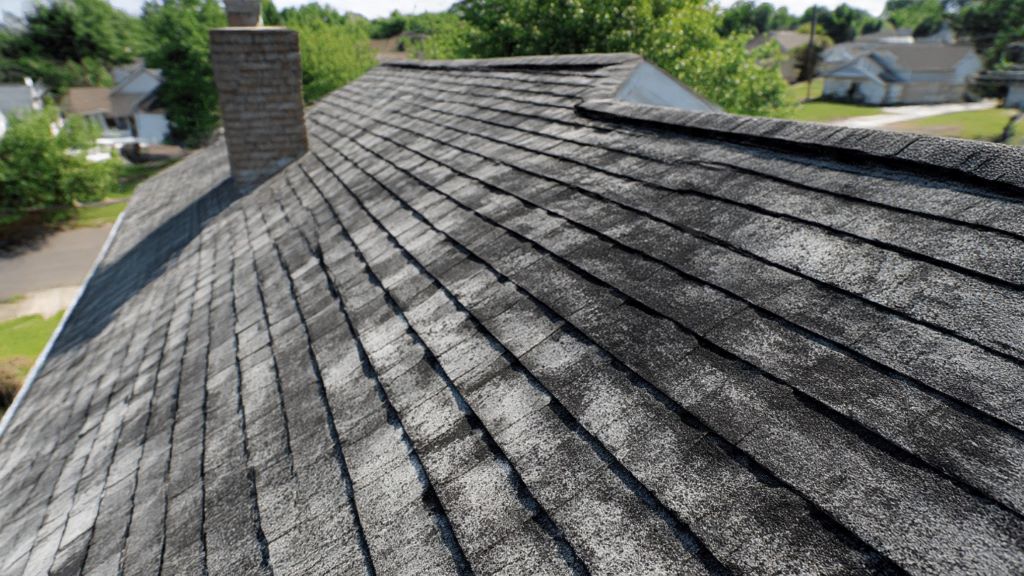
Those unsightly black streaks running down your roof aren’t just an aesthetic problem. They’re caused by algae growth that can shorten your roof’s lifespan and decrease your home’s curb appeal. Fortunately, homeowners can take decisive action to eliminate this problem for good. Working with experienced professionals like Roof Master Construction ensures you get lasting solutions that protect your investment.
Understanding Roof Algae and Why It Appears
Roof algae, scientifically known as Gloeocapsa magma, thrives in humid environments. This blue-green algae feeds on the limestone filler used in asphalt shingles. The dark streaks you see are actually colonies of algae that retain moisture and create protective layers. Over time, these organisms spread across your roof, creating an increasingly noticeable problem.
The issue affects homes nationwide, though it’s particularly common in regions with high humidity. Additionally, homes with limited sunlight exposure face greater risk because algae flourishes in shaded, damp conditions. Many homeowners mistake these streaks for dirt or soot, but simple washing provides only temporary relief.
Prevention Through Material Selection
Choosing the right roofing materials represents your first line of defense. Modern technology has produced best algae resistant roof shingles that incorporate copper granules into their design. These specially engineered products release copper ions when it rains, creating an environment where algae cannot survive.
The investment in algae-resistant materials pays dividends over time. Standard shingles require frequent cleaning and may need replacement sooner due to algae damage. However, algae-resistant options maintain their appearance and structural integrity for decades. According to Consumer Reports, these advanced shingles can significantly reduce maintenance costs while preserving your home’s value.
Copper and Zinc: Natural Algae Deterrents
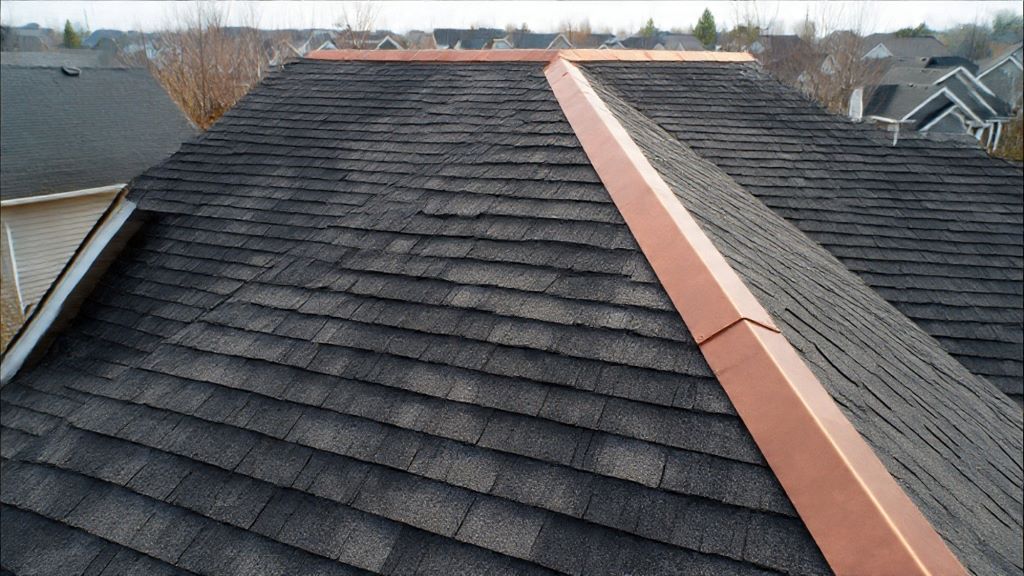
Metal strips offer another permanent solution to algae growth. Installing copper or zinc strips along your roof’s ridge creates a protective barrier. When rainwater flows over these metals, it carries microscopic particles down the roof surface. These particles are toxic to algae, preventing growth across the entire roof.
The installation process is straightforward. Contractors place the strips beneath the ridge cap shingles, leaving a small portion exposed. Therefore, every rainfall activates the protection system naturally. This method works on existing roofs without requiring complete replacement, making it a cost-effective option for many homeowners.
Proper Roof Design and Ventilation
Your roof’s design significantly impacts algae susceptibility. Poor ventilation traps moisture beneath shingles, creating ideal conditions for algae growth. Consequently, ensuring adequate attic ventilation and airflow prevents moisture accumulation. Ridge vents, soffit vents, and proper insulation work together to keep your roof dry.
Furthermore, overhanging tree branches create shade and drop organic debris onto your roof. This debris retains moisture and provides nutrients for algae. Trimming back branches allows sunlight to reach your roof surface, naturally inhibiting algae growth. Sunlight also helps dry your roof quickly after rain, reducing the damp conditions algae needs to thrive.
Professional Cleaning Methods That Work
While prevention is ideal, existing algae requires proper removal. Professional roof cleaning uses specialized techniques that eliminate algae without damaging shingles. Low-pressure washing combined with algaecide solutions kills existing colonies and removes stains effectively.
However, harsh pressure washing can strip away protective granules from your shingles. This damage shortens your roof’s lifespan and voids warranties. Therefore, homeowners should always hire experienced professionals who understand proper cleaning protocols. The Asphalt Roofing Manufacturers Association recommends gentle cleaning methods to preserve shingle integrity.
Long-Term Maintenance Strategies
Permanent algae prevention requires ongoing attention. Annual roof inspections catch potential problems early, allowing for prompt treatment. Additionally, keeping gutters clean prevents water backup that can create moist conditions favorable to algae growth.
Many homeowners benefit from professional maintenance programs. These services include regular cleaning, minor repairs, and preventive treatments. Moreover, establishing a maintenance schedule extends your roof’s lifespan while keeping it looking pristine. The small investment in regular care prevents costly repairs or premature replacement.
The Role of Environmental Factors
Climate plays a crucial role in algae development. Coastal areas and regions with frequent rainfall face higher algae risk. Similarly, homes surrounded by vegetation or near bodies of water experience more algae problems. Understanding your local environment helps you choose appropriate prevention strategies.
Nevertheless, even homes in drier climates aren’t immune to algae growth. Morning dew and occasional humidity can provide enough moisture for algae to establish itself. Therefore, proactive measures benefit homeowners regardless of location. Combining multiple prevention strategies creates the most robust defense against algae.
Cost Considerations and Return on Investment
Investing in algae prevention delivers substantial long-term savings. Algae-resistant shingles typically cost 10 to 15 percent more than standard options during installation. However, they eliminate ongoing cleaning costs and extend your roof’s functional lifespan by several years.
Additionally, homes with clean, well-maintained roofs command higher resale values. Real estate professionals note that curb appeal significantly influences buyer decisions. A roof free from unsightly streaks makes a positive first impression and can accelerate home sales. The investment in prevention pays returns through both reduced maintenance and increased property value.
Warranty Protection and Manufacturer Support
Most major shingle manufacturers now offer algae-resistant products with extended warranties. These warranties typically guarantee against algae discoloration for 10 to 20 years. Reading warranty terms carefully ensures you understand coverage details and maintenance requirements.
Furthermore, proper installation is essential for warranty validity. Working with certified contractors ensures compliance with manufacturer specifications. Many warranties also require regular maintenance, so keeping documentation of cleaning and inspections protects your investment.
Conclusion
Permanently stopping roof algae streaks requires a comprehensive approach combining smart material choices, proper installation, and ongoing maintenance. Algae-resistant shingles with copper granules provide the most effective long-term solution, while metal strips offer protection for existing roofs. Proper ventilation, strategic landscaping, and regular professional maintenance further reduce algae risk. Though prevention requires initial investment, the long-term benefits include reduced maintenance costs, extended roof life, and preserved home value. Homeowners who take proactive steps today enjoy clean, attractive roofs for decades to come.
Frequently Asked Questions
Will cleaning my roof damage the shingles?
Professional cleaning using low-pressure techniques and appropriate solutions will not damage quality shingles. However, harsh pressure washing or abrasive methods can strip protective granules and void warranties. Always hire experienced professionals who follow manufacturer guidelines for safe cleaning.
How long do algae-resistant shingles last?
Algae-resistant shingles typically last 25 to 30 years or longer with proper maintenance. The copper granules embedded in these shingles continue working throughout the roof’s lifespan, providing continuous protection against algae growth and discoloration.
Can I install copper strips on my existing roof?
Yes, copper or zinc strips can be installed on existing roofs without requiring complete replacement. A qualified contractor can place these strips beneath ridge cap shingles, providing ongoing algae protection. This solution offers cost-effective protection for roofs that don’t yet need replacement.
Does homeowners insurance cover algae damage?
Most standard homeowners insurance policies do not cover algae-related damage or cleaning, as insurers consider this a maintenance issue. However, if algae leads to structural damage like wood rot, coverage may apply. Review your specific policy and consult your insurance agent for clarification.
How often should I have my roof inspected for algae?
Annual roof inspections allow early detection of algae growth and other potential problems. Homes in humid climates or shaded areas may benefit from more frequent inspections. Regular professional evaluations help maintain your roof’s condition and prevent minor issues from becoming expensive repairs.
Related Topics: