Well pump air leaks create frustrating water supply problems that affect thousands of homeowners annually. These issues disrupt water pressure, cause pump cycling problems, and increase energy costs. Identifying and fixing air leaks requires systematic troubleshooting and proper repair techniques. Home Decorations Tips provides comprehensive guidance for homeowners dealing with various well pump challenges and maintenance issues.
Air leaks in well pump systems typically occur in suction lines, fittings, or pump components. These leaks allow air to enter the water system, disrupting normal pump operation. Additionally, air leaks can cause complete loss of prime, requiring system restart procedures.
Understanding how to prime a well pump with a pressure tank becomes essential when air leaks cause pump failure. However, identifying and eliminating the air source prevents recurring problems and ensures reliable water supply. Therefore, systematic troubleshooting saves time, money, and prevents water system emergencies.
Understanding Well Pump Air Leak Symptoms
Common Warning Signs
Pump cycling frequently without water usage indicates potential air leaks in the system. Normal pumps should maintain steady pressure and cycle only when water demand exists. However, air leaks cause pressure drops that trigger unnecessary pump activation.
Sputtering faucets and inconsistent water flow suggest air entering the distribution system. These symptoms typically worsen over time as leak sources expand. Additionally, air-filled water appears cloudy or bubbly when first drawn from faucets.
Unusual pump noises including grinding, rattling, or cavitation sounds often accompany air leak problems. These sounds indicate the pump is struggling to maintain proper suction and prime. Therefore, addressing these symptoms quickly prevents expensive pump damage.
Pressure System Irregularities
Rapid pressure tank cycling without corresponding water usage reveals system air infiltration. Normal pressure tanks should maintain steady pressure between pump cycles. However, air leaks cause frequent pressure fluctuations and tank cycling.
Water pressure gauges showing erratic readings or sudden pressure drops indicate air contamination. These irregular patterns disrupt normal system operation and reduce water delivery efficiency. Additionally, pressure switch malfunctions can result from air-induced pressure irregularities.
Complete loss of water pressure typically occurs when significant air leaks overwhelm pump capacity. This serious condition requires immediate attention to restore water service. Therefore, monitoring pressure system behavior helps identify problems before complete failure occurs.
Identifying Air Leak Sources
Suction Line Inspection
Suction lines represent the most common air leak locations in well pump systems. These underground pipes connect the pump to the well and operate under negative pressure. Additionally, age, ground movement, and corrosion contribute to suction line deterioration.
Visual inspection of exposed suction line sections may reveal obvious damage or loose connections. Look for wet spots around pipe joints, fittings, and pump connections. However, most suction line problems occur underground where direct observation is impossible.
Pressure testing provides definitive suction line leak detection. Specialized equipment can pressurize the suction line and measure pressure loss over time. Therefore, professional testing may be necessary for comprehensive suction line evaluation.
Pump Component Examination
Check all visible pump connections, gaskets, and seals for signs of air infiltration. Loose bolts, cracked gaskets, or worn seals allow air entry into the pump chamber. Additionally, pump housing cracks or manufacturing defects can create air leak paths.
Inspect the pump priming port, drain plugs, and pressure relief valves for proper sealing. These components must maintain airtight seals to prevent system air contamination. However, regular maintenance and seal replacement prevent most component-related air leaks.
Examine pressure tank connections, gauges, and air charging valves for leak sources. These components operate under pressure and can develop leaks through normal wear. Therefore, systematic component inspection identifies multiple potential air entry points.
Well Head and Casing Issues
Inspect well head seals, caps, and casing connections for damage or deterioration. These components protect the well from surface contamination and maintain system integrity. Additionally, damaged well head components allow both air and contaminants to enter the system.
Check for proper well casing depth and structural integrity. Shallow or damaged casings may allow air infiltration through ground water fluctuations. However, well casing problems typically require professional assessment and repair.
Examine drop pipe connections and support systems within the well casing. Loose or damaged drop pipe fittings can create air leak paths. Therefore, comprehensive well inspection may require specialized equipment and professional expertise.
Diagnostic Testing Procedures
Pressure Testing Methods
Isolate different system sections to identify specific leak locations. Start by testing the pressure tank and immediate pump connections. Use appropriate pressure testing equipment designed for water systems. Additionally, maintain safe working pressures to prevent equipment damage.
Test suction line integrity by creating vacuum conditions and monitoring pressure retention. This specialized testing requires proper equipment and safety precautions. However, suction line testing provides definitive leak location information.
Monitor system pressure over extended periods to identify intermittent or small leaks. Some air leaks only manifest under specific conditions or water usage patterns. Therefore, comprehensive testing may require multiple test sessions.
Water Flow Analysis
Measure water flow rates at various system points to identify performance degradation. Reduced flow rates often indicate air contamination affecting pump efficiency. Additionally, compare current flow rates to system specifications and historical performance data.
Test water quality for excessive air content using appropriate measurement devices. High air content confirms system air infiltration problems. However, temporary air content may result from recent maintenance or system disturbances.
Evaluate pump performance curves against manufacturer specifications to identify efficiency losses. Air leaks significantly reduce pump performance and increase energy consumption. Therefore, performance testing helps quantify air leak impacts on system operation.
Repair Techniques for Common Air Leaks
Suction Line Repairs
Replace damaged suction line sections using appropriate pipe materials and joining techniques. Modern plastic pipes offer excellent corrosion resistance and longevity. Additionally, proper pipe bedding and backfill prevent future damage from ground movement.
Repair small leaks using approved pipe repair clamps or epoxy compounds. These temporary solutions may provide short-term fixes while planning permanent repairs. However, temporary repairs should be monitored closely and replaced with permanent solutions.
Install new suction line systems when extensive damage makes repairs impractical. New installations allow upgraded materials and improved routing. Therefore, complete suction line replacement may provide long-term reliability advantages.
Pump Component Solutions
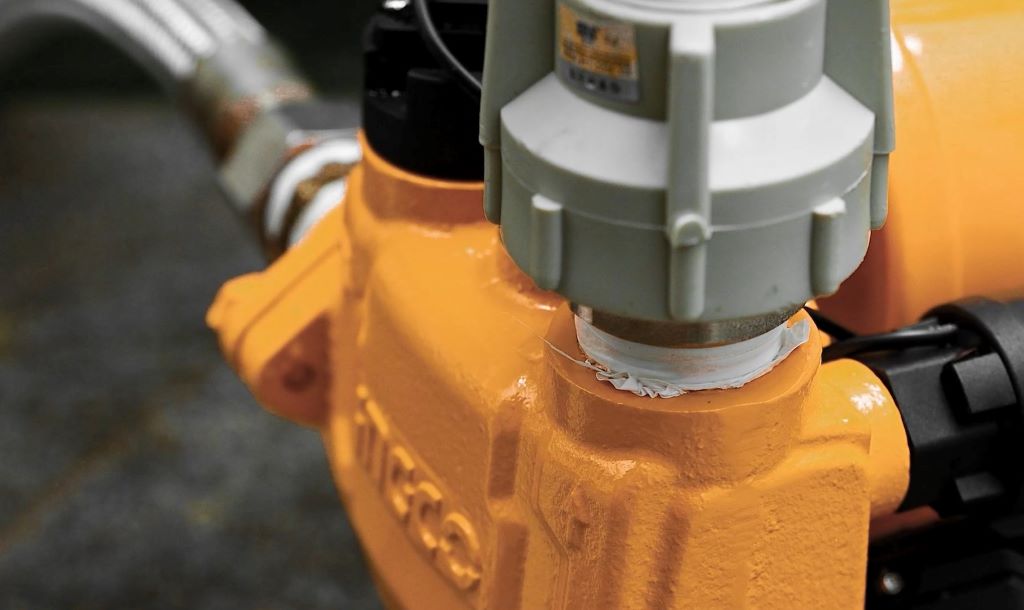
Replace worn gaskets, seals, and O-rings using manufacturer-specified parts. Proper part selection ensures compatibility and performance. Additionally, apply appropriate sealants and lubricants during installation to ensure proper sealing.
Tighten loose bolts and connections to manufacturer torque specifications. Over-tightening can damage components while under-tightening allows leaks. However, use torque wrenches for critical connections to ensure proper assembly.
Repair or replace damaged pump housings, covers, and castings as needed. These major components may require professional repair services or complete replacement. Therefore, evaluate repair costs against replacement costs before proceeding.
System Upgrades and Improvements
Install upgraded sealing systems and leak detection equipment for improved reliability. Modern sealing technologies offer superior performance and longevity. Additionally, leak detection systems provide early warning of developing problems.
Consider system redesigns that eliminate problematic components or configurations. Sometimes air leak problems result from poor original design choices. However, system modifications should comply with local codes and manufacturer recommendations.
According to the Environmental Protection Agency, proper well maintenance and leak prevention protects both water supply reliability and groundwater quality from potential contamination sources.
Preventive Maintenance Strategies
Regular Inspection Schedules
Establish monthly visual inspections of all accessible pump components and connections. Document findings and track changes over time. Additionally, seasonal inspections should include more comprehensive system evaluations.
Annual professional inspections can identify developing problems before they cause system failures. Professional technicians have specialized equipment and expertise for thorough evaluations. However, regular homeowner inspections supplement professional services and catch obvious problems.
Create maintenance logs documenting all inspections, repairs, and performance observations. These records help identify patterns and plan future maintenance activities. Therefore, systematic record keeping improves overall system reliability and maintenance effectiveness.
Component Replacement Planning
Replace gaskets, seals, and other wear items on recommended schedules rather than waiting for failure. Preventive replacement prevents unexpected system failures and water service interruptions. Additionally, scheduled maintenance allows planning and preparation for component replacement.
Monitor pump performance metrics to identify gradual efficiency losses that suggest developing problems. Performance degradation often precedes complete component failure. However, early intervention prevents more extensive damage and expensive repairs.
Plan major component replacements based on equipment age, performance, and reliability requirements. Proactive replacement of aging equipment prevents unexpected failures. Therefore, equipment replacement planning ensures continued water system reliability.
System Optimization
Optimize pump controls and pressure settings to reduce system stress and extend component life. Properly adjusted controls minimize pump cycling and reduce wear. Additionally, correct pressure settings ensure adequate water delivery while protecting system components.
Implement water conservation measures to reduce pump run time and system wear. Lower water demand reduces pump cycling and extends equipment life. However, maintain adequate water storage and pressure for household needs.
Consider system upgrades that improve efficiency and reduce maintenance requirements. Modern equipment often offers superior reliability and performance. Therefore, strategic upgrades can reduce long-term maintenance costs and improve system reliability.
Professional Service Considerations
When to Call Professionals
Complex air leak problems involving underground components or specialized equipment require professional expertise. Professional services have specialized tools and experience for difficult diagnostics. Additionally, some repairs may require permits or inspections by qualified professionals.
Safety concerns related to electrical components, pressure vessels, or confined spaces necessitate professional involvement. Well pump systems involve multiple safety hazards that require proper training and equipment. However, homeowners can safely perform many basic maintenance and inspection tasks.
Warranty considerations may require professional service to maintain coverage validity. Some manufacturer warranties specify professional installation or service requirements. Therefore, check warranty terms before attempting complex repairs.
Cost-Benefit Analysis
Compare repair costs against equipment replacement costs when making maintenance decisions. Sometimes extensive repairs cost more than new equipment installation. Additionally, new equipment may offer improved efficiency and reliability benefits.
Evaluate ongoing maintenance costs for aging systems versus newer equipment reliability. Older systems typically require more frequent maintenance and repairs. However, well-maintained systems can provide many years of reliable service.
Consider water system reliability requirements when making repair versus replacement decisions. Critical water supply applications may justify premium equipment or redundant systems. Therefore, reliability requirements influence maintenance and replacement strategies.
Advanced Troubleshooting Techniques
Electronic Diagnostics
Modern pump control systems often include diagnostic capabilities that can identify specific problems. These systems may provide error codes, performance data, and maintenance alerts. Additionally, some systems allow remote monitoring and diagnostics.
Pressure monitoring systems can track system performance and identify developing problems. Continuous monitoring provides detailed performance data for troubleshooting purposes. However, monitoring systems require proper installation and calibration for accurate results.
Flow monitoring equipment can identify changes in system performance that indicate developing problems. Flow measurements help distinguish between pump problems and distribution system issues. Therefore, comprehensive monitoring provides valuable diagnostic information.
Specialized Testing Equipment
Ultrasonic leak detection equipment can locate air leaks in buried or inaccessible piping systems. This technology detects sound signatures associated with air leaks. Additionally, ultrasonic testing works effectively on various pipe materials and configurations.
Thermal imaging can identify temperature variations that indicate air leaks or component problems. Temperature differences often reveal air infiltration or unusual component heating. However, thermal imaging requires proper training and equipment for effective results.
Vibration analysis can identify developing mechanical problems before they cause system failures. Unusual vibration patterns often indicate bearing wear, imbalance, or other mechanical issues. Therefore, vibration monitoring provides early warning of potential problems.
According to research published in the Journal of Water Resources Planning and Management, proper well pump maintenance significantly extends equipment life and reduces long-term operating costs while ensuring reliable water supply.
Conclusion
Well pump air leak troubleshooting requires systematic diagnosis, proper repair techniques, and preventive maintenance strategies. Understanding common air leak symptoms helps identify problems early before they cause system failures. Additionally, comprehensive troubleshooting procedures ensure accurate problem identification and effective repairs.
Regular maintenance and inspection programs prevent many air leak problems while extending equipment life. Preventive approaches prove more cost-effective than reactive repairs after system failures occur. Therefore, proactive maintenance strategies ensure reliable water system operation and minimize unexpected service interruptions.
Key success factors include proper diagnostic techniques, quality repair materials, and appropriate safety precautions. Professional assistance may be necessary for complex problems or safety-critical repairs. However, homeowners can successfully manage many basic maintenance and troubleshooting tasks with proper knowledge and preparation.
Frequently Asked Questions
What causes air leaks in well pump suction lines? Common causes include pipe corrosion, loose fittings, damaged gaskets, ground settlement, and age-related deterioration. Additionally, improper installation or maintenance can create air leak pathways in suction systems.
How can I tell if my well pump has lost its prime? Signs include no water flow, pump running continuously, unusual noises, and pressure gauge showing zero pressure. However, electrical problems can cause similar symptoms, so proper diagnosis is important.
Can I repair suction line leaks myself? Simple above-ground repairs are possible for experienced homeowners, but underground leaks typically require professional service. Additionally, safety considerations and local codes may require professional involvement for certain repairs.
How often should I inspect my well pump system for air leaks? Monthly visual inspections of accessible components are recommended, with annual professional inspections for comprehensive evaluation. However, increase inspection frequency if you notice any performance problems or unusual symptoms.
What tools do I need for basic well pump air leak troubleshooting? Essential tools include pressure gauges, flashlight, basic hand tools, and safety equipment. Additionally, specialized testing equipment like pressure testing devices may be needed for comprehensive diagnostics.
Read More:
How to Become a Plumber in Oklahoma: Master the Art of Plumbing