
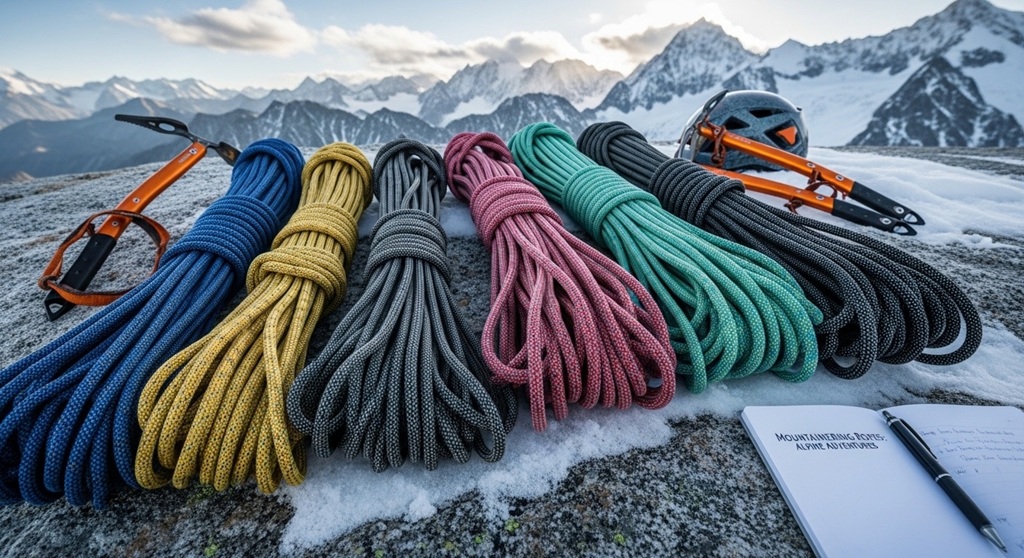
A mountaineering rope is a dynamic climbing rope designed to absorb the force of a fall while staying light enough for long alpine routes. In alpine climbing, your rope is not just gear. It is your safety system, your anchor extension, and often your lifeline in remote terrain.
Alpine environments are different from sport crags or indoor gyms. You deal with glaciers, mixed terrain, long approaches, variable weather, and complex descents. That means rope choice is not only about strength. It is about weight, packability, water resistance, and versatility.
Many climbers underestimate this decision. They pick a rope that works at the local crag. Then they carry it 1,000 meters up a mountain and regret every extra gram. Or worse, they choose a rope that is too thin for their belay device or too short for the descent.
According to UIAA standards, modern dynamic ropes must hold at least 5 falls under standardized testing. However, real alpine falls are often longer and more complex due to rope drag and terrain. This makes choosing the right alpine rope critical for both performance and safety.
This guide breaks down exactly how to choose the right rope for alpine adventures using real data, field-tested insights, and a practical framework you can apply before your next climb.
What Problems Do Climbers Face When Choosing an Alpine Rope?
The biggest problem is balancing weight, safety, and durability. Too heavy, and you waste energy. Too thin, and you compromise handling and longevity.
Alpine climbing introduces specific challenges:
- Long approaches where every gram counts
- Snow and ice exposure that can saturate untreated ropes
- Multi-pitch routes requiring efficient rope management
- Complex rappels where rope length becomes critical
- Sharp rock edges that increase abrasion risk
In a 2022 equipment durability study by a European alpine club, untreated ropes absorbed up to 40% more water weight during glacier travel compared to dry-treated ropes. This significantly increased handling difficulty and freezing risk in sub-zero conditions.
So the real issue is not just “Which rope is strong?” It is “Which rope matches my alpine objective?”
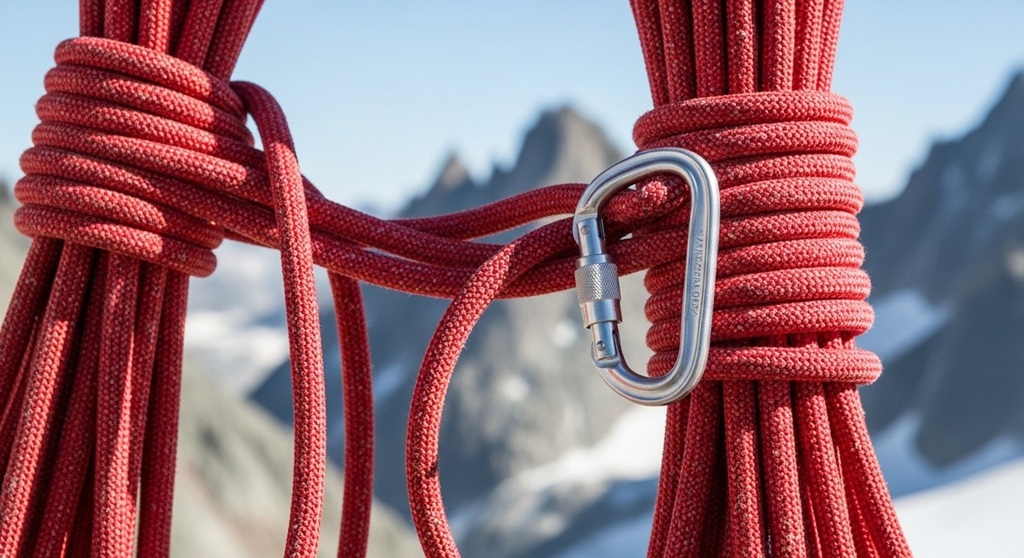
What Types of Climbing Ropes Are Best for Alpine Climbing?
For alpine climbing, the best options are single ropes (8.9–9.5 mm) or half/twin rope systems depending on terrain and objectives.
1. Single Ropes
Single ropes are marked with a “1” symbol. They are used alone. Most alpine climbers choose diameters between 8.9 mm and 9.5 mm for a balance of weight and durability.
Pros:
- Simpler rope management
- Compatible with most belay devices
- Less tangling
Cons:
- Limited rappel length compared to double systems
- Less redundancy
2. Half (Double) Ropes
Half ropes are marked with a “1/2” symbol. You use two thinner ropes, clipping them alternately into protection.
Pros:
- Reduced rope drag on wandering routes
- Full-length rappels when tied together
- Redundancy in case of sharp-edge damage
Cons:
- More complex belaying
- Heavier total system weight
3. Twin Ropes
Twin ropes are clipped together into each piece of protection. They are thinner and lighter but less common for general alpine routes.
For mixed alpine terrain with rock and ice, many experienced climbers prefer a lightweight rope in the 8.9–9.2 mm range with dry treatment. For highly technical routes with traverses, half ropes offer better rope management.
How Important Is Rope Diameter for Alpine Climbing?
Rope diameter directly affects weight, durability, handling, and safety margin.
| Diameter | Best Use | Pros | Cons |
|---|---|---|---|
| 8.5–8.9 mm | Fast and light alpine | Very lightweight rope, easy to carry | Less durable, requires careful belay technique |
| 9.0–9.4 mm | General alpine climbing | Balanced weight and durability | Slightly heavier |
| 9.5 mm+ | Mixed crag and alpine use | Durable, easier handling | Heavier on long approaches |
A case study from a Chamonix-based guide service showed that switching from a 9.8 mm rope to a 9.1 mm rope reduced pack weight by approximately 600–800 grams on a 60 m rope. Over a 1,500 m elevation gain, climbers reported noticeably reduced fatigue.
However, thinner ropes wear faster, especially on rough granite. The key is matching diameter to route style and expected fall frequency.
Why Is Dry Treatment Essential for an Alpine Rope?
Dry treatment prevents water absorption, reduces freezing risk, and maintains rope performance in snow and ice.
In alpine environments, ropes encounter:
- Snowfields
- Glacier crossings
- Ice pitches
- Sudden storms
When a rope absorbs water, three things happen:
- It becomes heavier.
- It stiffens in freezing temperatures.
- Impact force characteristics may change.
UIAA Water Repellency tests require treated ropes to absorb less than 5% of their weight in water. Untreated ropes can exceed 40% in extreme cases.
For true alpine adventures, always choose a fully dry-treated alpine rope, not just a dry core. Both sheath and core protection matter.
What Rope Length Should You Choose for Alpine Routes?
The standard alpine rope length is 60 meters, but 50 m or 70 m options may be better depending on the route.
Consider these factors:
- Pitch length
- Rappel stations
- Glacier travel spacing
- Weight constraints
For classic European alpine routes, 60 m is the norm. In North America, some older routes are designed for 50 m ropes. Modern sport-alpine routes often require 70 m for linking pitches.
Longer ropes increase versatility but add weight. A 70 m rope can weigh 200–300 grams more than a 60 m equivalent.
How Do Impact Force and Fall Rating Affect Safety?
Impact force measures how much force is transmitted to the climber and anchor during a fall. Lower is generally better.
Dynamic ropes stretch to absorb energy. Typical impact force ratings:
- Single ropes: 7–9 kN
- Half ropes: 5–7 kN (per strand)
UIAA fall rating indicates how many severe test falls the rope can hold. Most single ropes are rated for 5–9 falls under laboratory conditions.
In alpine climbing, falls are usually less frequent but may involve sharp edges. So while fall rating matters, sheath durability and handling are often more practical concerns.
How Does Weight Influence Alpine Performance?
Lighter ropes reduce fatigue, improve speed, and increase efficiency on long alpine days.
On a 10-hour alpine climb, every gram counts. A lightweight rope can:
- Reduce shoulder strain
- Improve balance on ridges
- Speed up transitions
However, extreme lightweight models may sacrifice sheath thickness. For climbers who expect repeated rock contact or frequent rappels, a slightly heavier but more durable model is often the smarter long-term investment.
How Do You Match Rope Choice to Specific Alpine Objectives?
Choose your rope based on route type, terrain, and team experience.
- Glacier travel only: 30–40 m lightweight rope may be sufficient.
- Mixed alpine rock routes: 9.0–9.2 mm dry-treated single rope.
- Technical mixed or ice routes: Half ropes for drag reduction and rappel flexibility.
- Fast-and-light ascents: Thin lightweight rope with full dry treatment.
Professional mountain guides often prioritize reliability over minimal weight for client days. Recreational climbers aiming for speed may prioritize weight savings.
What Maintenance Extends the Life of an Alpine Rope?
Proper care can significantly extend rope lifespan and maintain safety performance.
- Store in a cool, dry place
- Avoid stepping on the rope
- Wash occasionally with rope-specific cleaner
- Retire rope after major falls or visible sheath damage
Manufacturers typically recommend retiring ropes after 5 years of moderate use or sooner with heavy alpine exposure.
Conclusion: How Do You Choose the Right Mountaineering Rope?
Choosing the right mountaineering rope for alpine adventures is about clarity, not complexity. Define your objective. Consider terrain. Balance weight and durability. Prioritize dry treatment. Check diameter, impact force, and length.
A well-chosen alpine rope improves efficiency, safety, and confidence. A poorly chosen one adds fatigue and risk.
Before your next alpine objective, review your gear list carefully. Compare specifications. Focus on certified performance data. And invest in a rope that aligns with your long-term climbing goals.
Ready to upgrade your alpine system? Explore trusted rope options and make your next climb safer and more efficient.
Frequently Asked Questions About Alpine Ropes
1. What is the best diameter for an alpine rope?
For most alpine climbers, 9.0–9.2 mm offers the best balance of weight and durability.
2. Is a lightweight rope safe for alpine climbing?
Yes, if it meets UIAA and CE standards. However, thinner ropes require proper belay technique and compatible devices.
3. Do I really need dry treatment?
Yes. In snow and ice conditions, dry treatment significantly improves performance and safety.
4. Can I use a sport climbing rope in the alpine?
You can, but heavier sport ropes increase fatigue and may lack full dry treatment.
5. How often should I replace my alpine rope?
Replace after major falls, visible damage, or 5 years of moderate use.
Related Topic: How to Control Crabgrass Without Harming Your Lawn: Safe, Smart, and Simple Solutions
Read Next: How to Compare Different Types of Vacuum Cleaners Before Buying


