Imagine standing in your garage, staring at a piece of plywood that needs precise curved cuts for that custom shelf you’ve been planning. A reliable jig saw changes everything. Ryobi jig saws deliver versatility for DIY enthusiasts and weekend warriors alike. These tools handle intricate scrolls, straight cuts, and bevels with ease. Many homeowners tackle home improvement projects each year. In fact, the global jig saw market continues to grow as more people embrace hands-on work. According to industry reports, the jig saw tools market is projected to reach USD 4.8 billion by 2034, driven by rising DIY interest.
Ryobi stands out in this space. The brand offers affordable, user-friendly options that fit seamlessly into broader tool collections. If you already own ryobi power tools, adding a jig saw feels natural. Moreover, the Ryobi One+ system adds incredible flexibility. This guide walks you through everything you need to know. You will learn about key ryobi jigsaw features and how they impact your projects. By the end, you will feel confident in your decision.
Why Choose a Ryobi Jig Saw?
Ryobi builds tools for real people who love getting things done. Homeowners and hobbyists appreciate the balance of performance and accessibility. For instance, many users start with simple weekend tasks like building furniture or crafting decorations. Ryobi jig saws excel in these scenarios.
Additionally, the brand focuses on innovation without complexity. You get practical designs that work right out of the box. Transitioning from basic models to advanced brushless versions happens smoothly. Furthermore, community feedback highlights reliability. Thousands of reviews praise consistent cutting power across materials like wood, metal, and plastic.
Ryobi also prioritizes ergonomics. Comfort matters during long sessions. Gripped handles reduce fatigue, so you stay focused. On top of that, the tools integrate with existing batteries. This saves time and effort. Overall, Ryobi delivers value that encourages creativity.
Related:
A Step-by-Step Guide on How to Solder Copper Pipe: Tips and Tools You Need
What 5 Tools Are Most Common in Plumbing?
What Is a Jig Saw and Why Do You Need One?
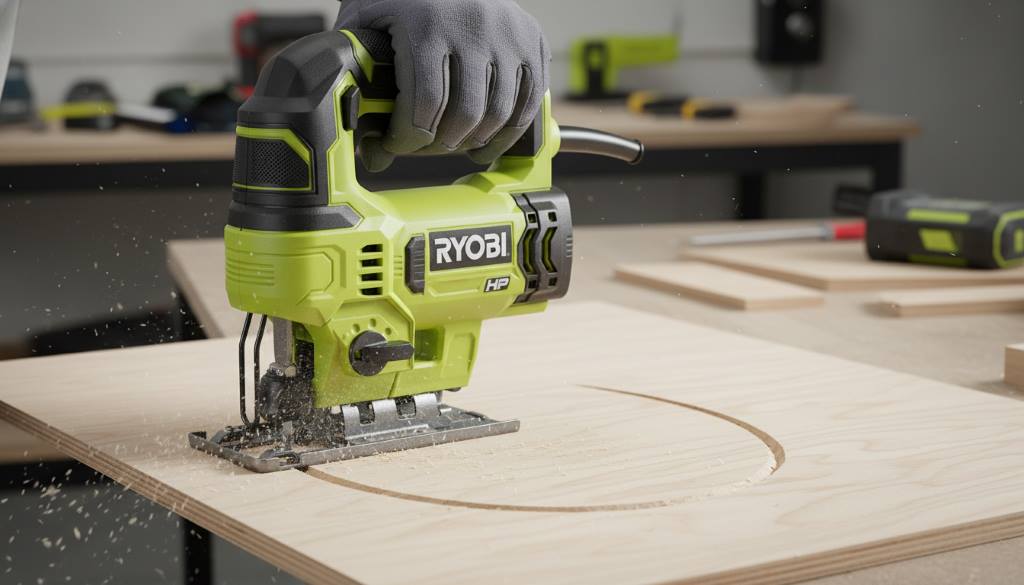
A jig saw cuts curves and intricate shapes where other saws fall short. The blade moves up and down rapidly. This action allows precise control. You guide the tool freehand for custom patterns.
Home projects often demand this flexibility. Think about installing new baseboards with rounded corners. Or creating decorative signs from plywood. Jig saws handle circles, scrolls, and plunge cuts effortlessly. For example, one user shared how their Ryobi model transformed a plain board into a detailed Halloween silhouette.
Straight cuts work well too, especially with guides. However, the real strength lies in versatility. Woodworkers use them for joinery details. Metalworkers cut thin sheets. Even plumbers notch pipes accurately.
Statistics show jig saws rank among essential DIY tools. Many projects feature curved elements that straight-bladed saws cannot manage. Therefore, owning one opens new possibilities. You tackle more ambitious ideas without frustration.
The Power of the Ryobi One+ System
The Ryobi One+ system revolutionizes tool ownership. All 18V batteries work across hundreds of tools. This compatibility dates back decades. You buy one battery and power drills, saws, lights, and more.
Convenience stands out most. Imagine switching from trimming branches to cutting lumber without hunting for chargers. Batteries swap instantly. Additionally, upgrades feel seamless. Newer high-capacity packs boost runtime in older tools.
Ryobi continues expanding the lineup. Over 280 tools share this platform. For jig saw users, this means freedom from cords on job sites. You move around easily. Moreover, the system encourages building a collection gradually.
Backward compatibility adds peace of mind. Older batteries function in new tools. This longevity reduces waste. Many users report using packs from the early 2000s today. Consequently, investment pays off long-term.
Key Ryobi Jigsaw Features That Matter
Ryobi packs smart features into every model. Understanding them helps you choose wisely. Variable speed control tops the list. You adjust strokes per minute for different materials. Slow speeds prevent burning delicate wood. Faster settings power through thick lumber.
Orbital action comes next. Four settings adjust blade aggression. Straight up-and-down motion creates clean finishes. Aggressive orbits remove material quickly. For instance, rough cutting plywood benefits from higher orbits. Fine scrolling demands zero orbit.
Toolless blade changes save minutes. A lever releases blades instantly. You swap types without tools. T-shank blades fit securely. Ryobi includes onboard storage in some models.
Bevel capacity reaches 45 degrees left and right. This enables angled cuts for frames or molding. Locking mechanisms hold settings firmly. Additionally, dust blowers keep lines visible. LED lights illuminate work areas.
Brushless motors appear in HP models. They run cooler and longer. Efficiency improves dramatically. You complete more cuts per charge.
Cordless vs Corded Ryobi Jig Saws: Which Fits You?
Ryobi offers both styles. Cordless models dominate the lineup. They provide mobility. You work in yards, attics, or remote spots without extension cords. The One+ system shines here.
Battery life varies by task. Light cutting lasts hours. Heavy use drains faster. However, spare batteries solve this. Portability often outweighs minor limitations.
Corded options deliver constant power. No runtime worries exist. Higher amp motors handle demanding jobs. For example, the JS481LG model maintains speed under load.
Workshop users prefer corded for stationary work. Mobility matters less on benches. Yet, most DIYers choose corded for unlimited runtime during big projects.
Consider your space. Garages with outlets favor corded. Multi-location work demands cordless. Many own both eventually.
Exploring Current Ryobi Jig Saw Models
Ryobi updates models regularly. As of 2026, several standouts exist.
The PCL525B serves as the entry-level cordless option. It delivers up to 3000 SPM with variable speed. Four orbital settings handle diverse tasks. Toolless changes and dust blower enhance usability. Lightweight design reduces arm strain.
Step up to PBLJS01B for brushless performance. Faster cutting and longer runtime define it. The motor provides more torque. Users notice smoother operation in hardwoods.
Barrel grip fans love the PSBJS01B. Compact size excels in tight spaces. Precision scrolling improves dramatically. Lightweight construction aids control.
Corded JS481LG offers 4.8 amps of power. Variable speed and laser guide help accuracy. SpeedMatch technology adjusts automatically.
Each model builds on core strengths. Beginners start basic. Experienced users upgrade for efficiency.
Mastering Blades for Optimal Results
Blades determine cut quality. Ryobi accepts universal T-shank designs. Wood blades feature larger teeth for fast removal. Metal blades have finer teeth to prevent damage.
High-carbon steel works for general use. Bi-metal lasts longer in tough materials. Choose downward-cutting blades to minimize splintering on visible surfaces.
Experiment with packs. Different teeth per inch suit tasks. Coarse blades rough cut quickly. Fine blades finish smoothly.
Store extras onboard when possible. Quick swaps maintain momentum. Clean blades extend life. Remove resin buildup regularly.
Essential Safety Practices
Safety prevents accidents. Always wear eye protection. Dust masks help with fine particles. Gloves improve grip but avoid loose ones.
Secure workpieces firmly. Clamps prevent movement. Start cuts slowly. Let the tool reach speed before contacting material.
Unplug corded models or remove batteries before blade changes. Keep fingers clear of the blade path. Use both hands for control.
Read manuals thoroughly. Ryobi includes clear instructions. Follow them diligently. Proper technique builds confidence over time.
Maintenance Tips for Longevity
Regular care keeps tools performing. Clean dust ports after use. Blow out debris with compressed air.
Lubricate moving parts occasionally. Check blade clamps for wear. Store in dry places.
Batteries need attention too. Charge fully before storage. Avoid extreme temperatures. Cycle packs regularly.
Inspect cords on wired models. Replace damaged ones immediately. Simple habits extend tool life significantly.
Tips for Achieving Professional Cuts
Practice makes perfect. Start with scrap material. Mark lines clearly. Use painter’s tape to reduce splintering.
Guide steadily without forcing. Let the blade do the work. Support large pieces to prevent binding.
Plunge cuts require skill. Drill starter holes first. Lower slowly into material.
Combine with guides for straight lines. Parallel fences help accuracy. Slow down for curves.
Common Mistakes to Avoid
Rushing causes errors. Take time for setup. Wrong blades tear material. Match them properly.
Overheating happens with excessive pressure. Ease up when needed. Ignoring dust buildup blocks visibility.
Forgetting bevel locks leads to shifts. Double-check settings. Neglecting safety gear invites injury.
Learn from early mistakes. Each project teaches something new.
Real User Stories and Experiences
One homeowner shared cutting intricate puzzle pieces for kids. The orbital settings made quick work of plywood. Another renovated kitchen cabinets. Bevel cuts fit perfectly around corners.
A crafter built custom signs. LED light helped in dim lighting. Precision exceeded expectations.
Professionals appreciate brushless runtime. Long days stay productive. Beginners gain confidence quickly.
These stories highlight versatility. Ryobi empowers everyday people.
Conclusion
Ryobi jig saws offer impressive capability for various skill levels. The One+ system provides unmatched flexibility. Key features like variable speed, orbital action, and ergonomic design enhance every project.
You now understand models, features, and best practices. Consider your typical tasks. Mobility needs point to cordless. Constant power demands suggest corded.
Ready to elevate your woodworking? Grab a Ryobi jig saw and start creating. Your next project awaits.
FAQs
What makes Ryobi jig saws suitable for beginners?
Ryobi designs intuitive controls and lightweight bodies. Variable speed helps new users ease into cuts. Safety features build confidence gradually.
How does the Ryobi One+ system benefit jig saw owners?
One battery powers hundreds of tools. You expand collections without buying new chargers. Compatibility spans decades.
Which Ryobi jigsaw features improve cutting precision?
Dust blowers clear lines. LED lights illuminate work. Toolless bevel adjustments maintain angles accurately.
Are brushless Ryobi jig saws worth considering?
Brushless motors run cooler and longer. They cut faster with more efficiency. Runtime extends noticeably.
Can Ryobi jig saws handle metal cutting?
Yes, with proper blades. Fine-tooth bi-metal blades manage thin sheets. Reduce speed to prevent overheating.