Something that causes a problem in homes all over the UK is damp and mould. As well as being unsightly, it is also smelly and can cause quite serious health problems. If you do have damp or mould, then you will not only want to make sure you get rid of it, but also make sure that you prevent it from returning again.
All parts of the home can develop damp or mould, however some areas can be more susceptible than others, depending on what the cause of it is.
The place where you find it can give you an idea of the cause. Damp areas, such as in or near a bathroom or kitchen, and places where condensation builds up can often be prime locations for it.
If it seems to come from the bottom of the house and makes its way up, then this could well be rising damp. This could happen if a damp proof course has failed or if you have an older property that doesn’t have a damp proof course.
Roof leaks can also cause damp and mould – it may not be something you notice straight away, but you can see maybe damp patches on upstairs ceilings.
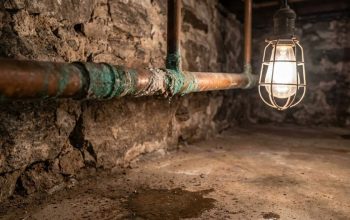
It may be that you find a damp patch in one area on the wall – this could well be a leak in a water pipe. When this is the case, you will need to get the leak repaired by a professional like this emergency plumber Cheltenham based company https://www.hprservicesltd.com/emergency-plumber-cheltenham/ as soon as possible.
Once you have solved the problem – whether it means replacing faulty windows, installing a bathroom extractor fan or having pipes repaired – you can then also consider the things that can help to prevent it long term.
One of the biggest issues for example is drying washing inside – often this is something that you have no option to do, but if you haven’t got a tumble drier and cannot dry it outside, put the damp washing on an airer and put it in a room like the bathroom with a window open or run a dehumidifier to take the moisture out of the air. Good ventilation in general is the key to keeping your home mould and damp free in many cases.