Fresh pasta brings pure joy to your kitchen. You bite into tender noodles that store-bought versions simply cannot match. The texture feels silky, and the flavor tastes clean and vibrant.
Many home cooks now create their own pasta. In fact, pasta remains a menu staple in over 36% of restaurants, even as trends evolve. Moreover, a serving of cooked pasta delivers 8 grams of protein, 2.5 grams of fiber, 26% of your daily folate, and 10% of your iron needs, according to USDA data.
Homemade fresh pasta gives you full control over ingredients. You avoid preservatives and customize everything to your taste.
To get started, explore some top pasta kitchen gadgets that simplify the process and deliver professional results.
Benefits of Making Fresh Pasta at Home
Fresh pasta transforms simple meals into something special. You notice the difference right away.
First, the taste stands out. Homemade noodles absorb sauces better because of their porous texture. Every forkful carries rich flavor.
Next, you gain health advantages. You choose high-quality eggs and flour. For example, adding whole wheat boosts fiber and nutrients. Studies show fresh pasta made with eggs provides more protein than many dried options.
Additionally, you save money over time. Basic ingredients cost little, and one batch serves a family generously.
Finally, the process relaxes you. Kneading dough releases stress. Many cooks find it therapeutic after a long day.
Types of Pasta Makers Available
Pasta makers come in several styles. Each suits different needs.
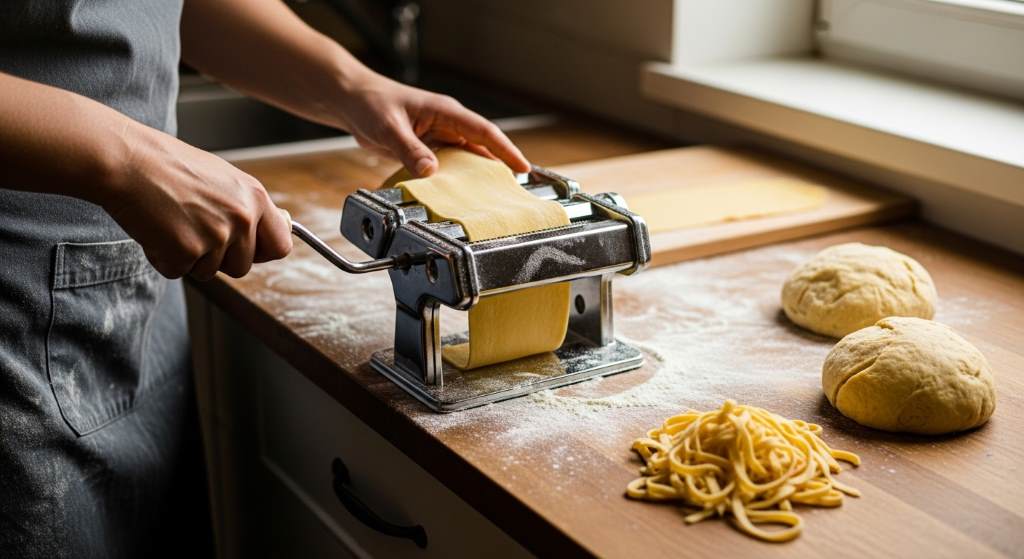
Manual rollers lead the pack for most home cooks. You crank a handle to roll and cut dough. Models like the Marcato Atlas 150 produce consistent sheets and noodles.
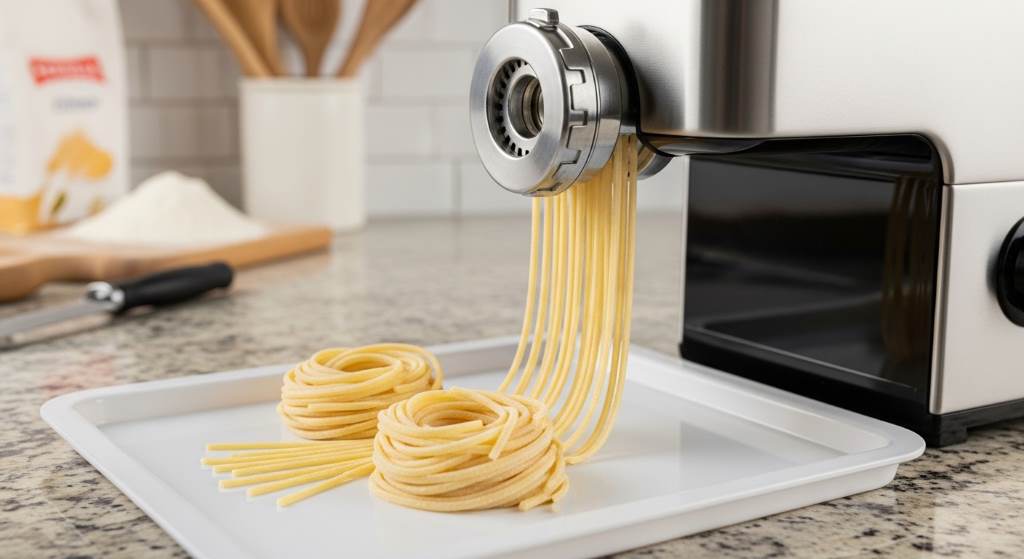
Electric extruders handle everything automatically. You add ingredients, and the machine mixes, kneads, and shapes pasta. Philips models excel at this.
Stand mixer attachments work well if you already own a KitchenAid. You attach rollers or cutters to your mixer. They save counter space.
Each type offers unique advantages. Manual versions give you full control. Electric ones save effort.
Choosing the Best Pasta Maker for You
Select a maker based on how often you cook pasta. Frequent users benefit from durable models.
Consider your kitchen space. Manual rollers clamp to counters and store easily. Extruders take more room.
Think about ease of use. Beginners often prefer manual machines because they teach technique. Advanced cooks enjoy electric speed.
Cleaning matters too. Choose models with removable parts when possible. Avoid complex designs that trap flour.
Finally, read user experiences. Reliable brands like Marcato and Imperia earn praise for longevity.
Essential Ingredients and Tools
Quality starts with good ingredients. You need just a few basics.
Use tipo “00” flour for silky texture. All-purpose flour works fine too. Many Italians swear by “00” for authentic results.
Fresh eggs add richness. Choose large, room-temperature eggs. They bind dough perfectly.
Add a pinch of salt for flavor. Some recipes include olive oil for extra tenderness.
Gather supporting tools. You need a large bowl, fork, bench scraper, and clean towels. A scale helps measure accurately.
Basic Fresh Pasta Dough Recipe
This classic recipe serves four people. It forms the foundation for many shapes.
Ingredients
- 400 grams tipo “00” flour (or all-purpose)
- 4 large eggs
- 1 pinch salt
- 1 teaspoon olive oil (optional)
Steps to Make the Dough
- First, mound flour on a clean surface. Create a wide well in the center.
- Crack eggs into the well. Add salt and oil.
- Next, use a fork to whisk eggs gently. Gradually pull in flour from the edges.
- Continue mixing until a shaggy dough forms. Then knead by hand.
- Knead for 8-10 minutes. Push with your palm and fold. The dough becomes smooth and elastic.
- Moreover, test readiness. Press it; the dent should spring back slowly.
- Wrap dough in plastic. Rest it for 30 minutes at room temperature. This relaxes gluten.
Resting makes rolling easier. Skip it, and dough fights back.
How to Use a Manual Pasta Maker
Manual makers shine for control. Follow these steps carefully.
Start with floured dough. Divide it into four pieces. Keep unused portions covered.
Set the machine to the widest setting (usually 0 or 1). Flatten one piece slightly.
Feed dough through rollers. Crank slowly and steadily. Catch the sheet with your other hand.
Fold the sheet in thirds. Run it through again. Repeat twice to strengthen gluten.
Gradually reduce thickness. Move to thinner settings one by one. Dust with flour if sticky.
Stop at desired thickness. For fettuccine, go to setting 6 or 7.
Finally, attach the cutter. Feed sheets through for noodles. Hang them to dry slightly.
Using an Electric Pasta Maker
Electric models simplify everything. You spend less time cranking.
Add measured flour and liquids to the machine. Select your shape.
The device mixes and kneads automatically. It extrudes perfect strands.
Watch the process. Add water if dough looks dry. Scrape sides occasionally.
Extruders excel at shapes like rigatoni or fusilli. Manual machines struggle with those.
Cleanup takes minutes. Most parts detach and rinse easily.
Creating Different Pasta Shapes
Variety keeps meals exciting. Try these popular options.
Long Noodles
- Fettuccine: Wide and flat. Pairs with creamy sauces.
- Tagliatelle: Slightly narrower. Classic with Bolognese.
- Spaghetti: Thin rounds. Use a separate cutter or extruder.
Filled Pasta
Ravioli requires sheets. Cut squares, add filling, seal edges with egg wash.
Tortellini starts as circles. Fold and twist around your finger.
Sheet Pasta
Lasagna needs wide, thin sheets. Layer with sauce and cheese.
Pappardelle cuts wide ribbons by hand. They hold hearty ragù beautifully.
Experiment freely. Add spinach for green pasta or beet for pink.
Related:
How to Choose the Best Island Hood for Your Kitchen Layout
How does a kitchen renovation add value to your home?
Cooking Fresh Pasta Perfectly
Fresh pasta cooks fast. Watch it closely.
Bring a large pot of water to a rolling boil. Salt generously; it flavors the noodles.
Add pasta gently. Stir to prevent sticking.
Test after 1-2 minutes. Fresh noodles finish in 2-4 minutes total.
Drain quickly. Reserve some pasta water for sauces.
Toss immediately with sauce. The starch helps everything cling.
Common Sauce Pairings
Match shapes to sauces thoughtfully.
Creamy Alfredo loves fettuccine. The wide surface catches richness.
Pesto coats thin strands like spaghetti or trofie.
Meat ragù demands tagliatelle or pappardelle. They stand up to chunks.
Simple butter and sage elevates cheese-filled ravioli.
Carbonara clings to spaghetti. Eggs and cheese create silkiness.
Troubleshooting Common Pasta Problems
Issues happen to everyone. Fix them easily.
Dough tears while rolling? It needs more rest or kneading. Add flour sparingly.
Noodles stick together? Dry them longer on a rack. Dust generously.
Dough feels too dry? Incorporate water drop by drop while kneading.
Sheets become uneven? Keep tension steady. Roll from center outward.
Machine jams? Clean rollers immediately. Never wash with water; brush only.
Cleaning and Maintaining Your Pasta Maker
Proper care extends life. Follow these habits.
Never submerge metal parts. Water causes rust.
Brush away flour after each use. Use a stiff brush or wooden skewer.
Dry thoroughly. Air dry rollers completely before storing.
Oil moving parts occasionally. A drop prevents sticking.
Store in a dry place. Cover to protect from dust.
Advanced Tips for Better Pasta
Elevate your skills with these ideas.
Incorporate flavors. Blend spinach, tomato paste, or squid ink into dough.
Try whole wheat flour. It adds nutty taste and nutrition. Balance with white flour for texture.
Make gluten-free versions. Use specialized blends and xanthan gum.
Shape by hand. Practice tagliatelle cutting or orecchiette thumbing.
Age dough overnight. Flavors deepen beautifully in the fridge.
Storing Homemade Fresh Pasta
Fresh pasta spoils quickly. Plan accordingly.
Dry noodles completely. Store in airtight containers for weeks.
Freeze uncooked portions. Lay flat on trays first, then bag.
Cook from frozen. Add directly to boiling water.
Filled pasta freezes best uncooked. Boil straight from freezer.
Conclusion
Making fresh pasta at home rewards you with superior taste and satisfaction. You choose quality ingredients, perfect your technique, and enjoy authentic Italian meals anytime.
The right pasta maker turns effort into pleasure. Start with a simple recipe, practice regularly, and soon you’ll create restaurant-worthy dishes.
Grab your ingredients today. Roll out your first batch tonight. Your family will thank you.
Frequently Asked Questions
What flour works best for fresh pasta?
Tipo “00” flour creates the silkiest texture. All-purpose flour performs well and costs less. Semolina adds chew for certain shapes.
How long should I rest pasta dough?
Rest at least 30 minutes. One hour improves results. Overnight in the fridge develops deeper flavor.
Can I make fresh pasta without eggs?
Yes. Use only flour and water for egg-free versions. The texture differs but remains delicious.
How do I know when fresh pasta is cooked?
Taste it. It should feel tender yet firm (al dente). Cooking takes 2-4 minutes usually.
Is a pasta maker necessary for homemade pasta?
No, but it helps greatly. You can roll by hand with a pin and cut with a knife. A maker ensures even thickness.
References
- USDA FoodData Central: Pasta nutrition data. https://fdc.nal.usda.gov/
- National Institutes of Health: Studies on pasta digestibility. https://pmc.ncbi.nlm.nih.gov/articles/PMC8536165/
- Harvard T.H. Chan School of Public Health: Processed foods and health. https://nutritionsource.hsph.harvard.edu/processed-foods/
- Tastewise Pasta Trends Report 2025. https://tastewise.io/foodtrends/pasta