Key Takeaways
- Cost-per-wear matters more than the sticker price alone.
- Material quality and craftsmanship determine long-term durability.
- Classic, timeless designs hold value better than trendy pieces.
- Resale potential varies widely and should not be your main reason to buy.
- Purpose and lifestyle fit should guide every premium purchase.
Premium fashion accessories carry real appeal, but they also carry real risk. A costly handbag or watch does not automatically become a smart purchase. Several factors separate a genuine investment from an expensive mistake. This guide explains what to consider before you spend. You will make premium purchases with clearer, more informed judgment.
Understanding What “Investment” Really Means Here
The word investment gets used loosely in fashion conversations. However, a real financial investment differs sharply from a quality wardrobe purchase.
According to Clever Girl Finance, a financial investment means putting money somewhere it can compound, grow, and create wealth over time. An investment handbag, by contrast, simply means a high-quality, highly desirable piece that will last a long time when used regularly.
This distinction matters because it sets realistic expectations from the start. The same source cautions that selling designer bags years later for a profit only holds true for certain specific bags, and even then, several conditions apply. Most buyers should expect to recover only a fraction of their original purchase price upon resale.
Some accessories do buck this trend in notable ways. According to a luxury asset guide from Taylor Wessing, Chanel bags have increased in value by roughly 16 percent year-on-year since 2016. Certain Louis Vuitton Pochette styles have tripled or even quadrupled in value after gaining renewed cultural popularity.
However, these examples represent exceptions rather than the norm. Therefore, approach any premium purchase primarily as a quality upgrade to your wardrobe. Treat any resale potential as a pleasant bonus rather than your main reason for buying.
Why Cost-Per-Wear Matters More Than Price Tag
A high price alone tells you little about whether a purchase makes sense. Cost-per-wear offers a far more useful way to evaluate premium accessories.
The Zoe Report describes this concept through insight from Charles Gorra, CEO of the resale platform Rebag. He explains that a quality piece maintains its integrity so well that its price-per-wear effectively drops to pennies over years of regular use. This calculation changes how an expensive purchase actually feels financially.
A guide from American Express Essentials frames this idea around versatility specifically. It states that the more ways you can incorporate a piece into different outfits, the greater its ultimate value, and the lower its cost-per-wear becomes. Therefore, versatility directly multiplies the practical value you get from any single purchase.
Before buying, Gorra recommends asking yourself several direct questions. Will this piece add real value and functionality to your daily life? Will it transition well between seasons and years? Can you realistically care for it well enough to keep it in prime condition? A “no” answer to any of these signals it may be time to reconsider.
Use this simple framework to estimate value before committing to a purchase.
- Estimate how many times per year you would realistically use the item.
- Estimate how many years you expect to keep and use it.
- Divide the purchase price by your total estimated uses.
- Compare this per-use cost against similar items you already own.
- Decide whether this number feels reasonable for your budget.
Prioritizing Material Quality and Craftsmanship
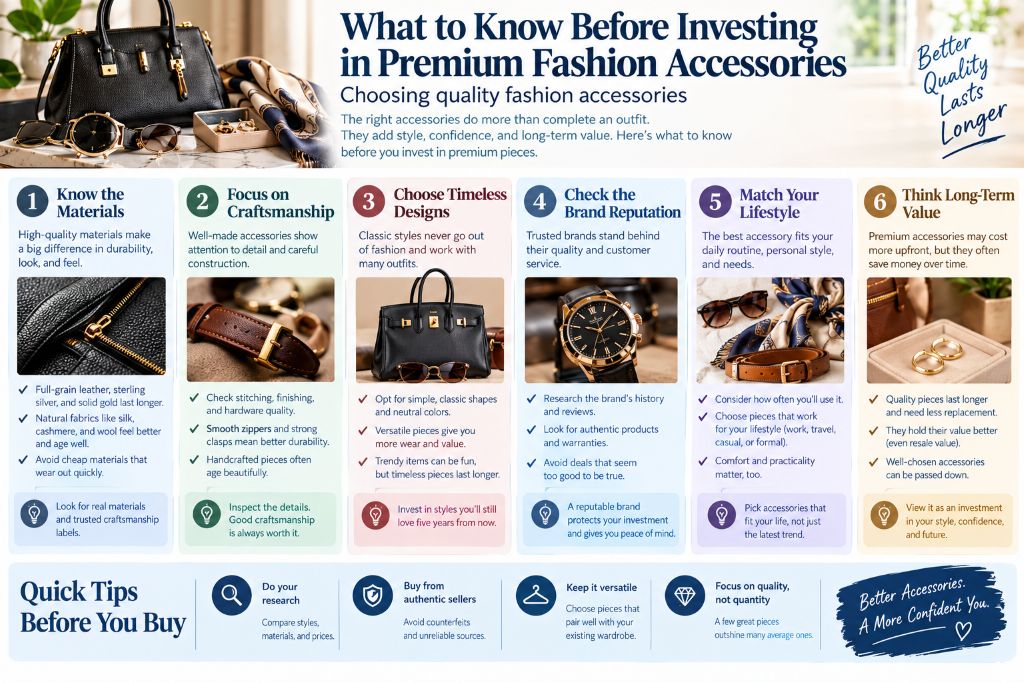
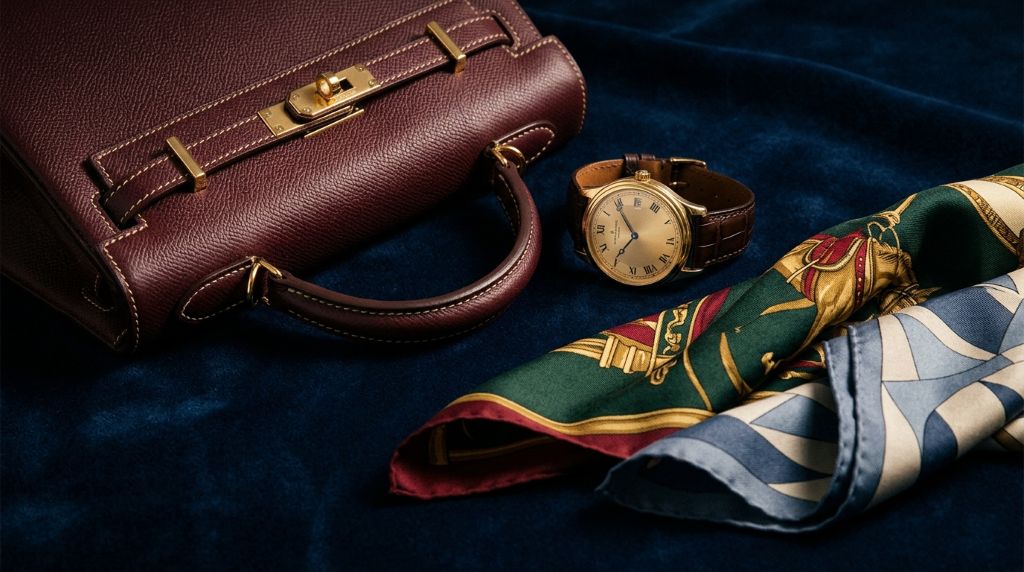
Material quality determines whether a premium accessory survives years of regular use. Skipping this evaluation risks paying premium prices for pieces that age poorly.
American Express Essentials advises choosing garments and accessories with simple, timeless cuts made from high-quality, durable materials. Ideally, these pieces should reflect an authentic craftsmanship technique or tradition specific to that category of item.
Specific material examples help illustrate this standard. The same guide points to a luxury bag made from solid leather with hand-sewn stitches, or a sweater knitted from fully sustainably sourced cashmere, as examples of materials worth the premium price. These details reflect genuine construction quality rather than surface-level branding.
A separate guide on luxury handbag investments echoes this same emphasis strongly. It states that craftsmanship matters significantly, since bags made from quality leather with careful stitching last longer and simply look better over time. Poor construction undermines even a recognizable, desirable brand name.
Research plays an essential role in verifying these quality claims before purchase. American Express Essentials recommends researching specific brands and labels carefully before buying, to confirm you are genuinely getting the quality construction you expect to pay for.
Choosing Classic Designs Over Trending Styles
Trend-driven pieces rarely maintain their appeal or value for long. Classic, timeless designs consistently outperform them in both categories.
American Express Essentials advises focusing on items that stand the test of time, listing specific examples like a black suit, a leather handbag, a pair of Chelsea boots, and a simple Swiss watch. These categories transcend any single trend cycle or fashion season.
This principle extends specifically to jewelry and smaller accessories too. The same guide suggests that investment jewelry should stay discreet enough to elevate everyday looks, while remaining distinctive enough for special occasions when needed. This dual functionality increases how often you can realistically wear the piece.
Resale data reinforces why classic choices perform better financially as well. A guide on pre-loved investment shopping from Country & Town House specifically recommends the Chanel Classic Flap, particularly from the pre-2008 era, as a reliably strong choice among handbag investments.
The same source offers a clear warning about trend-chasing purchases too. It notes that sneakers once commanded high resale premiums, but oversupply has significantly reduced their investment potential over recent years. This example shows how quickly trend-driven categories can lose their earlier appeal.
Understanding the Risks of Resale Value
Resale potential looks appealing on paper, but real-world outcomes vary considerably. Understanding these risks prevents disappointment down the road.
A guide on luxury handbag investment risks notes plainly that not every luxury handbag offers strong investment potential. Market trends, authenticity, and item condition all significantly influence whatever return you might eventually see.
Extremely exclusive or expensive items carry their own unique resale risk. Country & Town House warns against purchasing anything too exclusive or overly luxury-priced, citing the Louis Vuitton light-up bag with a built-in battery pack as an example. This item retailed for over 20,000 pounds but today trades for less than half that original price.
The reasoning behind this pattern makes sense once explained. The same source notes that products catering too narrowly to a small group of collectors, rather than to broader everyday appeal, often fail to hold their value well over time. Therefore, extreme novelty can actually work against long-term resale potential.
Several practical factors influence resale value beyond the brand name itself.
- Overall condition and visible signs of wear
- Original packaging, receipts, and authentication certificates
- Rarity, including limited editions or discontinued colors
- Current market demand for that specific style or model
- Documented provenance, especially for notable past ownership
Defining Your Purpose Before You Buy
Every premium purchase should serve a clear, defined role within your existing wardrobe. Skipping this step often leads to regret or underuse.
Harper’s Bazaar India frames this consideration as an essential first step. It recommends determining the specific purpose your piece will serve before purchasing, asking whether it will function as a daily essential, an occasional trophy piece, or a future heirloom passed down over time.
This purpose then shapes practical decisions about style, color, and material durability. A daily-use bag needs sturdier materials and a neutral color that pairs easily with your existing wardrobe. A special-occasion piece can prioritize a bolder design since it will see far less regular wear and exposure.
Personal finances should factor heavily into this same decision process. Clever Girl Finance advises basing any luxury purchase specifically on your available disposable income. It warns directly against taking on debt for these purchases, since compounding credit card interest can easily eliminate any profit you might have hoped to gain from a future resale.
Protecting Your Investment Through Authentication and Care
Even a well-chosen premium accessory needs proper verification and ongoing care. These steps protect both your immediate purchase and its future value.
Authentication has become increasingly important as the resale market for luxury goods has grown substantially. A luxury asset guide from Taylor Wessing notes that established platforms like Vestiaire Collective and Collector Square now offer dedicated authentication promises for buyers and sellers alike.
Major luxury brands have responded to this same demand directly. The same source notes that Rolex has launched its own official authentication service for pre-owned watches, reflecting how seriously this concern is now being treated across the wider luxury goods industry.
Beyond authentication, ongoing physical care significantly affects long-term value retention. A guide on handbag investment risks lists tracking trends, spotting counterfeits, understanding resale markets, and proper physical care as the key factors separating a smart purchase from a costly mistake.
Follow these practical steps to protect a premium accessory over time.
- Keep all original packaging, receipts, and authentication documents.
- Store the item properly, following any manufacturer-specific guidance.
- Address minor wear or damage promptly rather than letting it worsen.
- Research authentication services before any future resale attempt.
- Track general market trends for your specific brand or model.
Conclusion
Investing in premium fashion accessories requires far more thought than the price tag alone suggests. Focus on cost-per-wear, material quality, and timeless design rather than chasing trends or guaranteed resale profits. Looking at top luxury pret brands: where elegance meets everyday glamour can offer useful inspiration when choosing pieces that balance sophistication and practical use. Understand that most pieces will not appreciate in value, and treat any potential increase as a bonus rather than an expectation. Define your purpose clearly and always buy within your actual financial means.
A thoughtful approach protects both your budget and your long-term satisfaction with any premium purchase. Research your next potential piece carefully before you commit to buying it. Apply these principles today, and your premium accessories will reward you with genuine, lasting value.
Frequently Asked Questions
Do luxury handbags actually increase in value over time?
Some do, like certain Chanel and Louis Vuitton styles, but this is the exception rather than the rule.
What is cost-per-wear, and why does it matter?
It divides an item’s price by how many times you use it. Frequent use lowers this cost significantly.
Should I buy luxury accessories for investment purposes only?
No, prioritize genuine usefulness and quality first. Treat any resale potential as a secondary bonus.
How can I verify a luxury item’s authenticity before buying?
Use established authentication services like Vestiaire Collective or brand-specific verification programs.
Why do classic designs hold value better than trendy pieces?
Classic designs stay relevant across seasons and years, while trend-driven pieces quickly lose broad appeal.