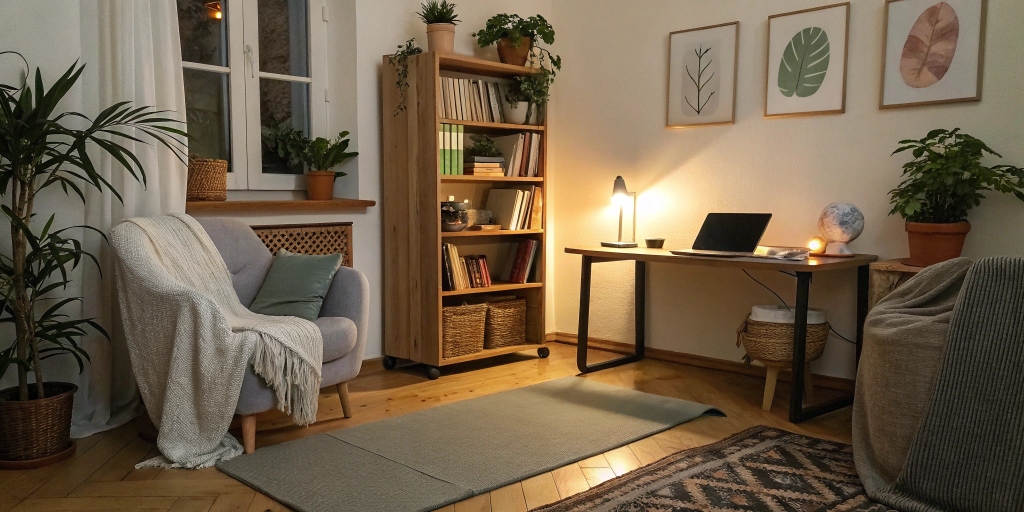
Spending weeks alone at home can feel like a dream—or a challenge—depending on how you approach it. At first, the quiet feels relaxing. No commuting, no social pressure, no packed schedules. But after a few days, boredom, loneliness, and lack of structure can quietly creep in.
The truth is, extended time alone doesn’t have to be dull or mentally draining. In fact, it can become one of the most productive, creative, and personally rewarding phases of your life—if you use the right strategies. Whether you’re working remotely, taking a break, recovering, or simply staying indoors for personal reasons, learning how to pass time meaningfully is essential for maintaining mental well-being and motivation.
This guide explores practical, enjoyable, and psychologically healthy ways to spend weeks alone at home while staying engaged, productive, and emotionally balanced.
Why Long Periods Alone Feel Difficult
Before discussing solutions, it helps to understand the problem.
Humans are naturally social beings. When routines disappear and social interaction drops, three common issues arise:
- Mental fatigue from monotony
- Loss of daily structure
- Reduced emotional stimulation
Without intentional activities, days begin to blur together. That’s why the best way to pass time alone isn’t simply entertainment—it’s creating variety, purpose, and connection.
- Build a Daily Routine That Actually Works
One of the biggest mistakes people make when staying home for weeks is abandoning structure altogether.
A flexible but consistent routine helps maintain productivity and emotional stability.
Try dividing your day into:
- Morning activation (exercise or planning)
- Creative or productive work
- Relaxation periods
- Social interaction time
- Personal development
You don’t need military discipline—just predictable anchors in your day.
Pro Tip: Wake up and sleep at consistent times. Sleep rhythm directly impacts mood, energy, and focus.
- Learn Something You’ve Always Postponed
Weeks at home provide rare uninterrupted learning time.
Instead of endless scrolling, invest in skill-building activities that offer long-term value.
High-impact skills you can learn at home:
- Digital marketing or SEO basics
- Graphic design or video editing
- Coding or website development
- Language learning
- Cooking international cuisines
- Photography or content creation
Online learning platforms make self-education accessible and engaging. Learning activates dopamine pathways, reducing boredom and improving confidence.
LSI Keywords: productive hobbies at home, self-improvement activities, skill development during isolation.
- Turn Your Home Into a Creativity Zone
Creativity is one of the most powerful boredom killers.
You don’t need to be an artist to benefit from creative expression.
Consider:
- Journaling or blogging
- Painting or sketching
- DIY home projects
- Music production
- Writing short stories or poetry
- Starting a YouTube or podcast idea
Creative activities improve emotional regulation and reduce stress—especially during extended solitude.
- Stay Social Through Digital Interaction
Being alone doesn’t mean being disconnected.
Virtual communication has evolved dramatically, allowing meaningful interaction without leaving home.
You can:
- Schedule video calls with friends
- Join online communities
- Participate in gaming groups
- Attend virtual events or webinars
- Explore safe and moderated adult chat platforms for conversation and companionship
Using adult chat responsibly can help adults engage in discussions, share interests, or simply talk with new people when social circles feel limited. Many individuals use these platforms purely for conversation, emotional support, or casual interaction—not just entertainment.
Healthy digital socializing prevents isolation while maintaining personal comfort and privacy.
- Focus on Physical Health Indoors
Extended indoor living often reduces physical movement, leading to fatigue and low motivation.
Daily exercise dramatically improves mental clarity and mood.
Home-friendly fitness ideas:
- Bodyweight workouts
- Yoga or stretching routines
- Dance workouts
- Guided meditation sessions
- Indoor walking challenges
Even 20–30 minutes of movement daily boosts endorphins and combats cabin fever.
SEO Tip Integration: home workout routines, staying active indoors, fitness at home without equipment.
- Redesign or Organize Your Living Space
Your environment influences your mindset more than you realize.
Use alone time to optimize your surroundings.
Try:
- Decluttering unused items
- Rearranging furniture
- Creating a reading corner
- Improving lighting
- Adding plants or décor
A refreshed environment creates psychological novelty, making home feel new again.
- Explore Entertainment With Intention
Entertainment is essential—but passive consumption alone can lead to burnout.
Instead of binge-watching endlessly, diversify your leisure time.
Balanced entertainment options:
- Watch documentaries instead of random shows
- Play strategy or puzzle games
- Listen to educational podcasts
- Read fiction or self-growth books
- Try audiobooks while cooking or cleaning
Intentional entertainment keeps your brain engaged rather than overstimulated.
- Start a Personal Project
Nothing makes time meaningful like progress toward something tangible.
Examples include:
- Starting a blog
- Writing an eBook
- Launching a small online business
- Building a personal portfolio
- Learning content creation for social media
A long-term project transforms idle time into achievement.
Many successful entrepreneurs began projects during periods of isolation or downtime.
- Practice Mental Wellness and Self-Reflection
Weeks alone create a rare opportunity for introspection.
Use this time to reconnect with yourself.
Effective self-care practices:
- Meditation or breathing exercises
- Gratitude journaling
- Goal-setting sessions
- Digital detox hours
- Mindfulness practices
Self-reflection improves emotional intelligence and clarity about life priorities.
- Cook, Experiment, and Improve Nutrition
Cooking is both practical and therapeutic.
Instead of repeating basic meals, experiment with:
- Healthy meal prep routines
- New international recipes
- Baking challenges
- Nutrition-focused diets
Cooking enhances creativity while improving physical health—making it one of the best solo activities at home.
- Monetize Your Free Time
If you’re home for weeks, consider turning spare time into income.
Popular remote opportunities include:
- Freelancing
- Online tutoring
- Affiliate marketing
- Selling digital products
- Content writing or design services
Learning how to earn online not only passes time but also builds financial independence.
- Balance Alone Time With Meaningful Connection
The ultimate secret to enjoying weeks alone at home lies in balance.
Too much productivity leads to burnout.
Too much relaxation leads to boredom.
Combine:
✅ Personal growth
✅ Entertainment
✅ Social interaction
✅ Physical activity
✅ Rest
This balance transforms solitude into empowerment rather than isolation.
Common Mistakes to Avoid When Staying Home for Weeks
Many people unintentionally make isolation harder by:
- Sleeping irregularly
- Overusing social media
- Avoiding human interaction completely
- Ignoring physical health
- Losing sense of purpose
Awareness helps prevent these traps.
FAQs: Passing Time Alone at Home
- How can I avoid boredom when staying home for a long time?
Create structure in your day by combining productive tasks, entertainment, physical activity, and social interaction. Variety is key to preventing monotony.
- Is spending weeks alone unhealthy?
Not necessarily. Solitude can improve creativity and self-awareness if balanced with communication and healthy habits.
- What are the best productive things to do alone at home?
Learning new skills, exercising, organizing your environment, starting online projects, and reading are highly beneficial activities.
- Can online conversations help reduce loneliness?
Yes. Virtual communities, video calls, and moderated adult chat platforms can provide social engagement and emotional connection when physical interaction is limited.
- How do I stay mentally healthy while isolated?
Maintain routines, exercise regularly, limit excessive screen time, practice mindfulness, and stay socially connected online.
- What hobbies are ideal for long periods indoors?
Creative hobbies like writing, drawing, music, cooking, gaming, blogging, and DIY projects work particularly well during extended home stays.
Final Thoughts: Turn Alone Time Into Your Advantage
Being alone at home for weeks doesn’t have to feel like time lost—it can become time invested. When approached intentionally, solitude offers something modern life rarely provides: uninterrupted space to grow, think, learn, and reset.
Instead of counting days, focus on building experiences within them. Learn something new. Connect meaningfully—even digitally. Improve your health. Start projects you’ve delayed for years.
Your environment hasn’t shrunk—your opportunities have simply moved indoors.
✅ Call to Action
If you’re currently spending extended time at home, start today: choose one new activity, schedule it into your routine, and commit for seven days. Small actions create lasting habits.
And if this guide helped you rethink how to enjoy solitude, share it with someone who might also be navigating long days at home—you might help them transform boredom into growth.