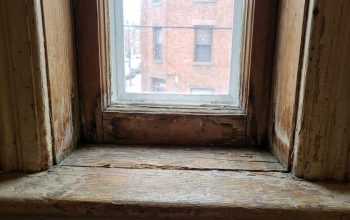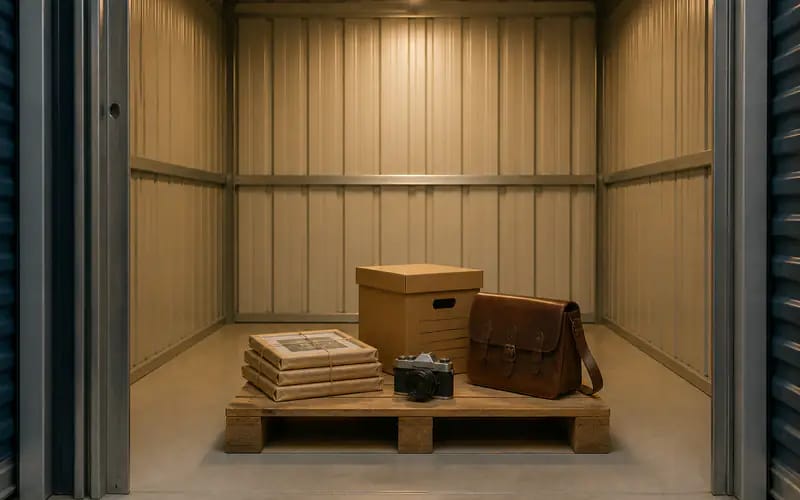
Not all items are suitable for storage in a cold damp unit in the winter or a hot storage unit in the summer. Some items are best stored in a dry, warm and stable environment and it’s better to know what they are before you unpack them months later to find they have been damaged.
Why Temperature Swings Cause Damage
Rising and falling temperatures, as well as fluctuations in humidity, cause materials to expand and contract. These changes can cause wood to warp, leather to crack, and metal components to corrode. While cold temperatures can cause damage, it is often the humidity in a cold storage unit that causes the greatest problems. In an unventilated storage unit, moisture in the air can cause mould to develop in fabrics, cartons and wood within weeks.
Electronics And Digital Media
Items such as hard drives, games consoles, cameras, and old laptops are sensitive to condensation, as the change in temperature can cause moisture to enter the components of the item. This moisture can then cause corrosion of the connectors and the contacts on the circuit boards, which in turn can cause a short circuit when the item is turned on. CDs, DVDs, and tape media are also sensitive to damp, as damp in the casing can cause the media to degrade quickly.
Paper, Photographs And Artwork
Paper too is surprisingly sensitive and can curl, develop ‘foxing’ marks and have inks fade when there is fluctuating humidity. According to The National Archives’ website for storing paper records and photographs (and other items) it is best to store them in a room with stable humidity at 45% to 55% relative humidity and in a room that is not directly lit. In fact storing paper in bubble wrap is not anywhere near as effective at protecting it from damage as storing it in a stable humidity environment.
Wooden And Leather Furniture
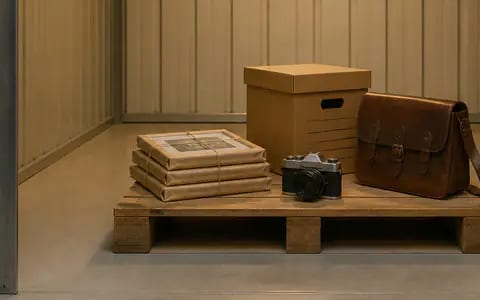
Wooden furniture of any age, but particularly of an older or antique nature, is extremely sensitive to changes in dampness and dryness. The joints can come adrift, the veneer peel off, and the panels split and crack as the wood expands and shrinks in response to changes in the levels of moisture in the air. This type of furniture is one of the types that benefits most from storage in climate controlled self storage units.
Musical Instruments
I’d forgotten that guitars are typically made of thin, highly sensitive wood and can go out of tune or even develop cracks within a short space of time in cold, damp storage. I had imagined that wooden orchestral instruments such as violins were more robust than this. They too can be severely affected by cold, damp and need to be stored in a dry, warm environment. Brass instruments can also suffer from the effects of storage and tarnish, as well as the valves getting stuck due to condensation. These are just a few examples of instruments that need to be stored with great care.
Wine, Medicines And Other Strict Tolerances
Wine for long term storage is usually stored in a dark, cool cellar at a constant temperature between 8-15 degrees C. However, in terms of storage for short periods of time, a temperature range of 10-20 degrees C is usually acceptable. Medicines, cosmetics and other items with strict storage temperatures must be kept within these specified limits at all times. This is usually printed on the packaging for you.
What To Check In A Climate-Controlled Unit
This is why there can be big differences between climate controlled storage and simple storage units that are heated. Look for good insulation to the walls and roof of a unit and a solid, sealed door. Check if a unit is going to be heated only or if it will be chilled as well and find out what temperature it will be held at and how that will be monitored. Finding a good storage unit with climate control is not necessarily expensive and is far better than risking damage to sensitive items in an unsuitable unit. For Self Storage Swindon, your provider can tell you the temperature range for each of their storage units and how they are monitored.
Warning Signs Items Are Already Affected
Check for these warning signs on a visit to your belongings in self storage: A musty smell indicates mould is present somewhere near your goods. “Tide marks” on boxes or goods stored below them indicate damp penetration via the floor or walls of your storage space. If varnish on items of furniture feels tacky rather than smooth it may indicate the wood has been affected by high temperatures or humidity. Lastly, the presence of rust on metal items such as the hinges, screws or other metal work on your storage unit’s doors and cabinets is a clear indication that the air in your unit has been too damp for too long. For Self Storage Swindon, visit Anchor Self Storage.
It is worth spending a little more to ensure that you have the correct storage for your items, as the cost of repair to damaged items is likely to be greater than the difference in price for a suitable unit.