Older homes in Columbus OH often face the persistent issue of door drafts. In fact, nearly 30 percent of older properties in the region report drafty doors. These drafts not only reduce comfort but also spike energy bills. Addressing this issue early can save homeowners hundreds annually. One effective solution involves fixing space between door and frame.
Understanding the Root Causes of Door Drafts
Columbus OH experiences a humid continental climate with cold winters. This climate accelerates wood contraction and expansion in older doors. Over time, these changes create gaps around door frames. Additionally, settling foundations shift door alignments. These shifts often go unnoticed until drafts become obvious.
Many older homes use single-pane windows and thin doors. These materials lack modern insulation standards. As a result, they fail to block outdoor air effectively. Homeowners may also overlook worn weatherstripping. This simple component degrades over years of use.
The age of a home directly impacts its structural integrity. Doors installed decades ago were not designed for today’s energy efficiency. Furthermore, poor initial installations worsen over time. Even minor misalignments can lead to significant air leakage.
Another uncommon but real factor is the use of low-quality materials in older constructions. Builders in the past often prioritized cost over durability. Consequently, doors and frames may warp or crack prematurely. This issue is particularly common in homes built before the 1980s.
Climate-Specific Challenges in Columbus OH
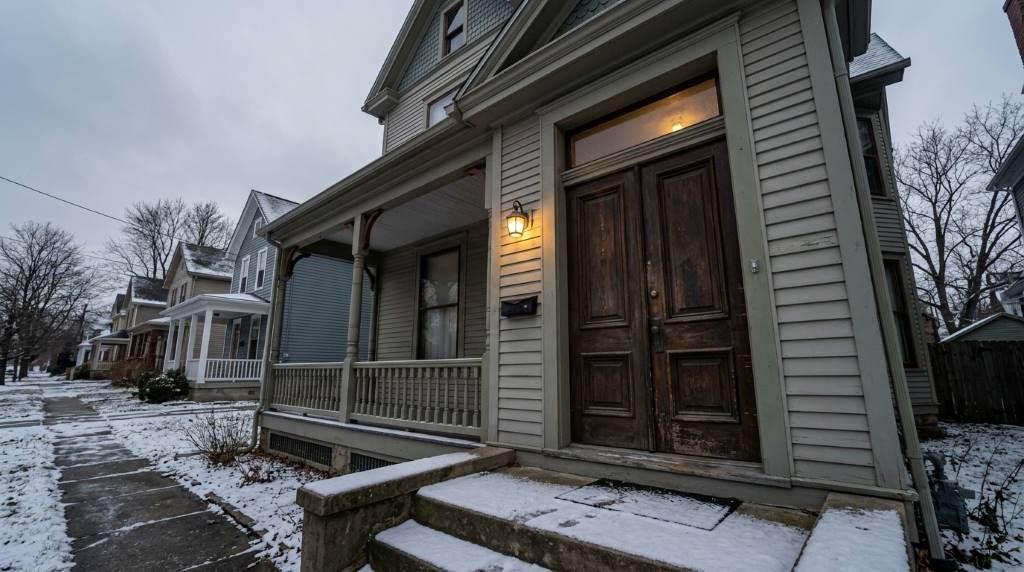
Columbus OH winters bring freezing temperatures and strong winds. These conditions test the limits of older doors. Ice formation around door edges can also prevent proper sealing. Meanwhile, summer humidity causes wood to swell and stick. This cycle of expansion and contraction weakens door structures.
Seasonal changes demand proactive maintenance for older homes. Homeowners should inspect doors before winter and summer. Small gaps can quickly turn into major draft sources. Additionally, upgrade garage door systems to modern standards for better insulation.
Local weather patterns also include frequent rain and snow. Moisture seepage can damage door frames over time. Rot and mold further compromise the door’s ability to seal. Regular sealing and painting can mitigate these effects.
Wind direction in Columbus OH often comes from the northwest. Doors facing this direction endure more stress. Homeowners should prioritize these entries for inspections. Reinforcing these doors can prevent long-term damage.
Common Signs of Door Drafts in Older Homes
Drafts often manifest as cold spots near door frames. Homeowners may feel a breeze even when doors are closed. Whistling sounds during windy days also indicate air leakage. These signs are easy to overlook but costly to ignore.
Increased energy bills are a red flag for door drafts. Heating and cooling systems work harder to compensate. Uneven temperatures between rooms suggest poor sealing. Additionally, dust accumulation near door edges signals air movement.
Visual inspections can reveal gaps or daylight around doors. Homeowners should check for cracked or peeling weatherstripping. Misaligned doors that do not latch properly are another sign. These issues often require immediate attention.
Condensation or frost forming on interior door surfaces is a severe indicator. This phenomenon occurs when cold air meets warm indoor air. It often points to significant insulation failures. Addressing these issues early prevents structural damage.
Unique and Overlooked Causes of Door Drafts
One often ignored cause is the lack of a proper door sweep. Many older doors were installed without this feature. A door sweep seals the gap between the door bottom and threshold. Without it, air flows freely underneath.
Another uncommon issue is the use of hollow-core doors in exterior applications. These doors provide minimal insulation and are prone to warping. Solid wood or fiberglass doors are better alternatives. Homeowners should consider upgrading for long-term savings.
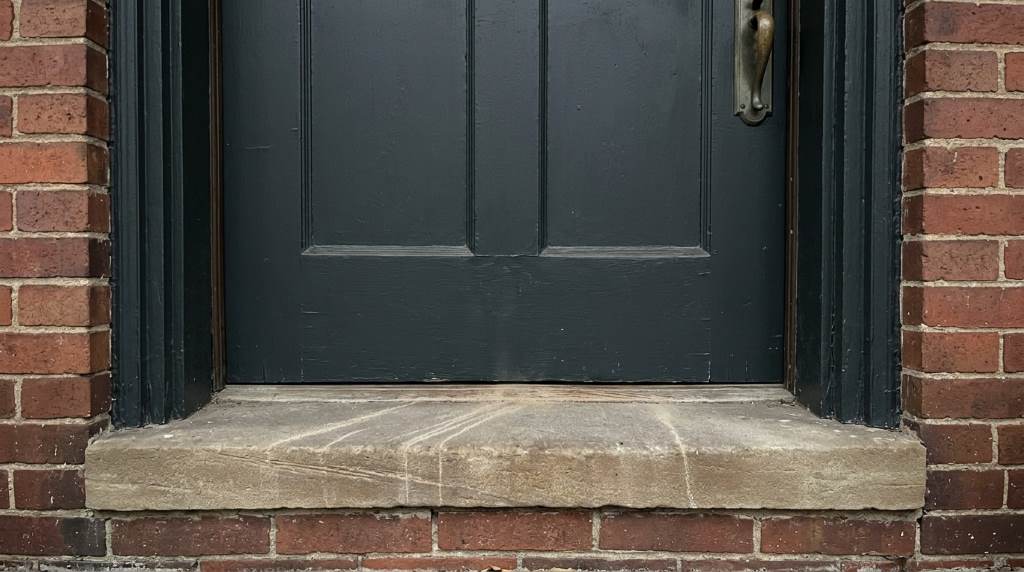
Poorly designed entryways can also contribute to drafts. Some older homes have recessed door frames. These designs create natural air pockets that disrupt sealing. Filling these recesses with insulation can improve performance.
Additionally, same day garage door repairs can address sudden draft issues efficiently.
Electrical and plumbing penetrations near doors are another overlooked factor. Gaps around wires or pipes allow air to bypass the door. Sealing these penetrations is a simple yet effective fix. Homeowners should inspect these areas during regular maintenance.
Practical Solutions to Fix Door Drafts
Replacing old weatherstripping is a cost-effective solution. Adhesive-backed foam or rubber strips are widely available. Homeowners should measure the gap before purchasing materials. Proper installation ensures a tight seal.
Installing a door sweep is another simple fix. These devices attach to the door bottom and block airflow. Homeowners can choose between surface-mounted or under-door sweeps. Both types are easy to install with basic tools.
Applying caulk around the door frame seals small gaps. This method works best for stationary cracks. Homeowners should use a high-quality, paintable caulk. Regular touch-ups maintain the seal over time.
For more severe cases, replacing the door may be necessary. Modern doors offer better insulation and durability. Energy-efficient models can recoup their cost through savings. Additionally, fix sticking interior door issues to improve overall home comfort.
Using draft stoppers is a temporary but effective measure. These fabric tubes block airflow at the door base. They are particularly useful for renters or short-term fixes. Homeowners can also make their own using old fabric.
Maintenance Tips to Prevent Future Drafts
Regular inspections are key to preventing door drafts. Homeowners should check doors at least twice a year. Look for gaps, cracks, or worn seals. Addressing minor issues early prevents major repairs.
Keeping doors and frames clean extends their lifespan. Dirt and debris can damage seals and finishes. Use a mild detergent and soft cloth for cleaning. Avoid harsh chemicals that can degrade materials.
Lubricating hinges and locks ensures smooth operation. Sticking doors often indicate alignment issues. Regular maintenance prevents these problems. Use a silicone-based lubricant for best results.
Repainting or refinishing wooden doors protects them from the elements. This process also provides an opportunity to inspect for damage. Homeowners should sand and prime doors before repainting. Quality paint offers additional insulation benefits.
Upgrading to energy-efficient doors is a long-term solution. These doors feature better insulation and sealing. They also enhance curb appeal and home value. Consider professional installation for optimal performance.
Conclusion
Door drafts in older Columbus OH homes are a common but solvable issue. Understanding the root causes helps homeowners take proactive steps. Regular maintenance and timely upgrades ensure comfort and efficiency. Addressing drafts not only improves living conditions but also reduces energy costs. Start inspecting your doors today to enjoy a draft-free home.
FAQs
Why do older homes in Columbus OH have more door drafts?
Older homes often have worn seals, poor insulation, and structural settling issues.
How can I tell if my door has a draft?
Feel for cold air, listen for whistling sounds, or look for gaps around the door frame.
What is the easiest way to fix a door draft?
Installing weatherstripping or a door sweep provides a quick and effective solution.
Can door drafts increase my energy bills?
Yes, drafts force heating and cooling systems to work harder, increasing energy consumption.
Are there professional services to fix door drafts?
Yes, many contractors specialize in door inspections, repairs, and energy-efficient upgrades.