Corroded plumbing can quietly damage homes, increase water bills, and reduce water quality over time. Studies show that household leaks waste nearly one trillion gallons of water annually, while corrosion remains a leading cause of pipe failures. Therefore, early repairs protect your plumbing system and prevent expensive emergencies. Many homeowners also compare replacing metal drain pipe with plastic when planning lasting plumbing upgrades.
Understand Why Plumbing Corrodes
Boston homes often contain older plumbing systems that naturally deteriorate with age. Additionally, changing water chemistry and moisture exposure speed up internal pipe corrosion.
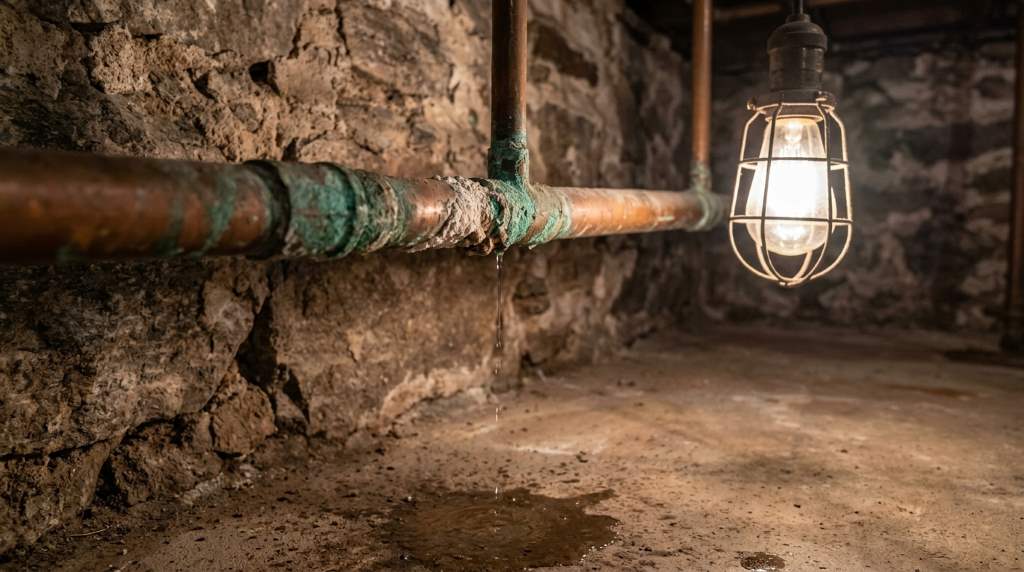
Mineral deposits slowly build inside pipes and reduce water flow over time. Meanwhile, rust weakens metal walls and eventually creates leaks or complete pipe failure.
Understanding these causes helps homeowners prevent future damage before expensive repairs become necessary. You should also review common plumbing woes to recognize early warning signs quickly.
Recognize Early Signs of Corroded Plumbing
Early detection saves money and prevents unnecessary structural damage throughout your property. Fortunately, several common symptoms appear before pipes completely fail.
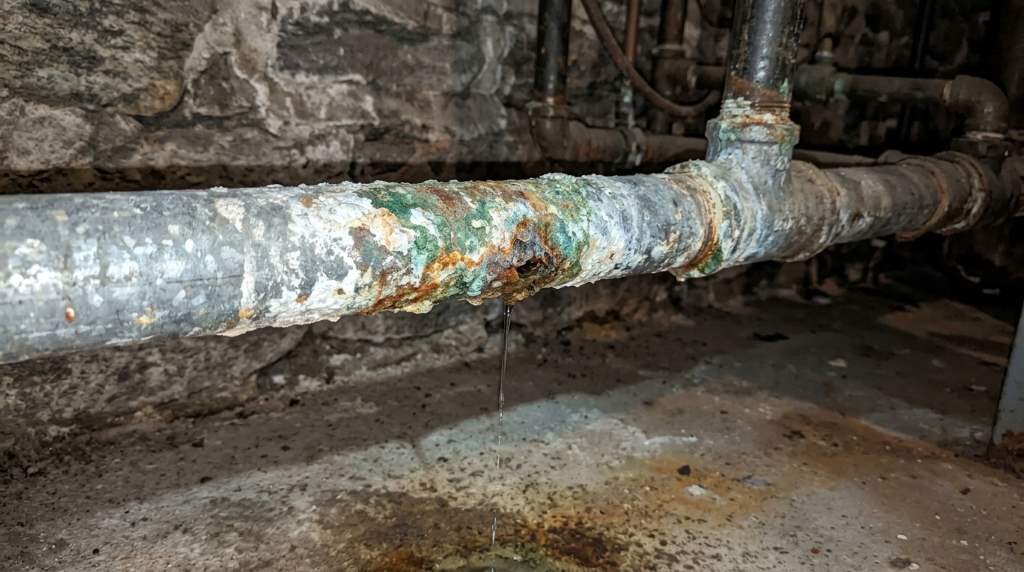
- Brown or rusty water from faucets
- Lower water pressure throughout the house
- Frequent pipe leaks
- Metallic tasting drinking water
- Visible green or blue stains around fittings
- Strange plumbing noises during water use
Never ignore these warning signs because corrosion usually worsens without professional attention. Instead, schedule a careful plumbing inspection as soon as possible.
Inspect the Plumbing System Carefully
Start with exposed pipes inside basements, utility rooms, and crawl spaces whenever possible. Look closely for rust, discoloration, moisture, or mineral buildup around joints.
Next, inspect shutoff valves, pipe fittings, and visible connections for active leaks. Learning how plumbing pipe works also helps homeowners identify developing issues earlier.
If corrosion appears widespread, request a licensed plumber to inspect hidden plumbing sections. Professional camera inspections often reveal internal damage without unnecessary wall removal.
Fix Minor Surface Corrosion
Surface corrosion often responds well when treated before serious pipe damage develops. However, always shut off the water supply before beginning any repair.
Clean the Corroded Area
Use a wire brush to remove loose rust and mineral deposits carefully. Afterwards, wipe the surface completely dry using a clean cloth.
Apply Pipe Repair Products
Epoxy compounds or repair wraps temporarily seal small damaged areas effectively. These products provide short term protection until permanent repairs become necessary.
Monitor the Repair
Check repaired sections regularly for moisture, discoloration, or new leaks after restoration. Immediate action prevents additional corrosion from spreading further.
Replace Severely Damaged Pipes
Heavily corroded pipes usually require complete replacement instead of repeated temporary repairs. Although replacement costs more initially, it prevents recurring plumbing failures.
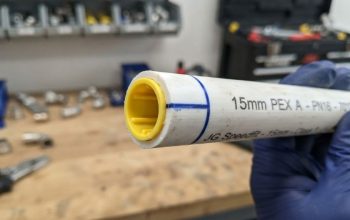
Modern materials resist corrosion better than older galvanized steel piping in many situations. You can also explore become a plumbing pro resources to understand replacement options before hiring professionals.
Licensed plumbers evaluate your existing system before recommending suitable replacement materials. Their experience also ensures local plumbing code compliance during installation.
Prevent Future Plumbing Corrosion
Preventive maintenance greatly extends pipe life and reduces future repair expenses. Consistent inspections also identify developing problems before they become severe.
- Inspect exposed plumbing every few months.
- Repair small leaks immediately.
- Control indoor humidity levels.
- Flush water heaters regularly.
- Replace aging pipes before failure.
- Schedule routine professional inspections.
Furthermore, installing water treatment equipment may reduce mineral buildup in certain neighborhoods. Cleaner water helps protect both plumbing fixtures and household appliances.
Know When to Call a Professional
Some plumbing problems require specialized equipment and advanced repair experience immediately. Delaying professional help often increases repair costs significantly.
Contact a licensed plumber if multiple leaks appear throughout your home unexpectedly. Likewise, seek immediate assistance whenever water damage threatens walls, ceilings, or foundations.
Professional plumbers also pressure test repaired systems before restoring normal household water service. This final inspection confirms reliable long term performance after repairs.
Conclusion
Fixing corroded plumbing early protects your home’s value, improves water quality, and prevents expensive emergencies. Regular inspections combined with timely repairs keep plumbing systems operating efficiently for many years.
Take action today by inspecting your plumbing or scheduling a licensed professional evaluation. Preventive maintenance always costs less than repairing extensive water damage later.
Frequently Asked Questions
What causes plumbing pipes to corrode?
Moisture, aging materials, minerals, and water chemistry gradually cause pipe corrosion.
Can corroded plumbing affect drinking water?
Yes, corrosion may discolor water and introduce unwanted metal particles.
Should every corroded pipe be replaced?
No, minor surface corrosion may be repaired, while severe damage usually requires replacement.
How often should plumbing be inspected?
Most homes benefit from a professional plumbing inspection every one to two years.
Can corrosion return after repairs?
Yes, corrosion may return without regular maintenance and proper preventive care.