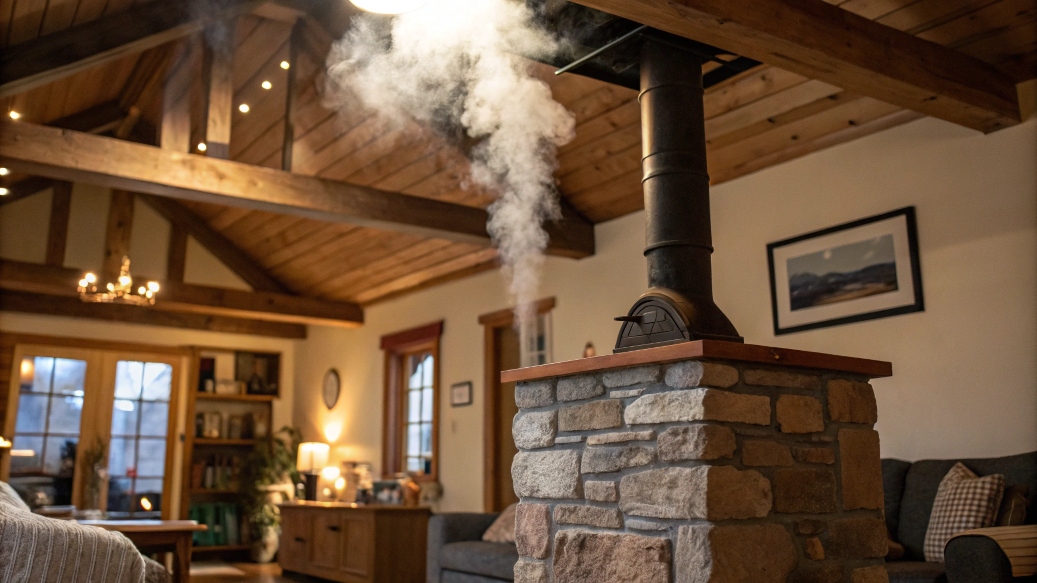
A smoking chimney inside the house is more than an inconvenience—it’s a health hazard, a fire risk, and a sign of underlying issues with your fireplace or chimney system. Smoke infiltrating your living space can result from various factors, from structural flaws to environmental conditions. This 2500-word article delves into the history of chimney design, the current state of chimney maintenance, key concepts for diagnosing and resolving smoke issues, benefits of proper chimney function, challenges homeowners face, and emerging trends in chimney technology. With practical advice, real-life experiences, a review of solutions, and FAQs, this guide equips both novices and seasoned homeowners to tackle this smoky problem effectively.
History of Chimney Design and Smoke Issues
Early Chimney Systems
Chimneys have been integral to human dwellings since antiquity, evolving from simple smoke holes in roofs to sophisticated masonry structures.
-
Ancient Origins:
-
Early homes used open hearths with smoke escaping through roof openings.
-
Roman hypocaust systems (circa 100 BCE) introduced flues to channel smoke, a precursor to modern chimneys.
-
Smoke control was rudimentary, often leading to indoor air pollution.
-
-
Medieval Advancements:
-
By the 12th century, stone chimneys appeared in European castles, improving smoke extraction.
-
Narrow flues and poor draft caused frequent backflow, filling rooms with smoke.
-
Chimney maintenance was minimal, exacerbating issues.
-
Industrial Revolution and Standardization
The 18th and 19th centuries marked significant progress in chimney design, driven by urbanization and industrial needs.
-
Key Developments:
-
Introduction of wider flues and taller stacks to enhance draft.
-
Use of brick and mortar for durability and heat resistance.
-
Chimney sweeps emerged as a profession to address creosote buildup, a common cause of smoke issues.
-
-
Persistent Challenges:
-
Inconsistent construction standards led to poorly designed chimneys.
-
Lack of understanding about airflow dynamics caused frequent downdrafts.
-
Current State of Chimney Maintenance
Modern Chimney Systems
Today’s chimneys are engineered for efficiency, safety, and compliance with building codes, yet smoke issues persist due to maintenance lapses or design flaws.
-
Types of Chimneys:
-
Masonry Chimneys: Traditional brick or stone structures, prone to creosote buildup and cracking.
-
Metal Chimneys: Stainless steel or aluminum, often used in prefabricated fireplaces, resistant to corrosion but sensitive to installation errors.
-
Hybrid Systems: Combine masonry and metal for durability and flexibility.
-
-
Common Issues:
-
Creosote accumulation narrows flues, obstructing airflow.
-
Damaged flue liners allow smoke to seep into walls or living spaces.
-
External factors like wind patterns or nearby structures cause downdrafts.
-
Regulatory Standards
Building codes, such as those from the National Fire Protection Association (NFPA), mandate regular chimney inspections and maintenance.
-
NFPA 211 Guidelines:
-
Annual inspections for chimneys in regular use.
-
Cleaning when creosote buildup exceeds 1/8 inch.
-
Repairs for cracked flue liners or damaged masonry.
-
Key Concepts for Diagnosing a Smoking Chimney
Understanding Chimney Draft
Draft is the airflow that pulls smoke up and out of the chimney. A poor draft is the primary cause of indoor smoke.
-
Factors Affecting Draft:
-
Stack Effect: Warm air rises, creating negative pressure that pulls smoke upward.
-
Chimney Height: Taller chimneys enhance draft by increasing pressure differential.
-
Flue Temperature: Hotter flues maintain stronger drafts.
-
-
Draft Disruptions:
-
Cold flues cause sluggish drafts, especially during initial fire startup.
-
Obstructions like bird nests or debris block airflow.
-
Negative indoor pressure from exhaust fans pulls smoke inward.
-
Common Causes of Indoor Smoke
Diagnosing the root cause is critical for effective solutions.
-
Structural Issues:
-
Cracked or missing flue liners allow smoke to escape into the home.
-
Improper chimney height relative to the roofline creates downdrafts.
-
Leaking mortar joints compromise chimney integrity.
-
-
Environmental Factors:
-
High winds or turbulent air from nearby trees or buildings disrupt draft.
-
Cold weather reduces flue temperature, weakening draft.
-
-
User Errors:
-
Burning wet or unseasoned wood produces excessive smoke.
-
Closing the damper prematurely traps smoke inside.
-
Inadequate firebox ventilation starves the fire, causing smoldering.
-
Benefits of a Properly Functioning Chimney
A well-maintained chimney enhances home safety, comfort, and efficiency.
-
Health and Safety:
-
Prevents carbon monoxide buildup, a silent killer.
-
Reduces exposure to harmful particulates in smoke.
-
Minimizes fire risks from creosote ignition.
-
-
Energy Efficiency:
-
Optimizes fireplace performance, reducing fuel consumption.
-
Maintains indoor air quality by preventing smoke backflow.
-
-
Property Value:
-
A functional chimney is a selling point for homes with fireplaces.
-
Regular maintenance prevents costly structural repairs.
-
Challenges in Addressing a Smoking Chimney
Technical Difficulties
Fixing a smoking chimney often requires specialized knowledge and tools.
-
Access Issues:
-
Tall or steeply pitched roofs complicate inspections and repairs.
-
Internal flue damage may require endoscopic cameras for diagnosis.
-
-
Complex Repairs:
-
Relining a chimney is labor-intensive and costly, often exceeding $2,000.
-
Rebuilding damaged masonry demands skilled craftsmanship.
-
Cost Considerations
Chimney repairs can strain household budgets, especially for older homes.
-
Typical Costs:
-
Cleaning: $100–$300.
-
Flue relining: $1,500–$5,000.
-
Chimney cap installation: $200–$500.
-
Full rebuild: $5,000–$15,000.
-
-
Hidden Expenses:
-
Emergency repairs for smoke-related damage (e.g., soot-stained walls).
-
Temporary heating solutions during chimney downtime.
-
Homeowner Knowledge Gaps
Many homeowners lack the expertise to identify or prevent chimney issues.
-
Misdiagnosis:
-
Attributing smoke to poor wood quality when structural flaws are the cause.
-
Overlooking subtle signs like minor soot buildup.
-
-
DIY Risks:
-
Improper cleaning can damage flue liners.
-
Unqualified repairs may violate building codes, voiding insurance.
-
Solutions to a Smoking Chimney
Immediate Actions
If smoke enters your home, act quickly to mitigate risks and identify causes.
-
Ventilation:
-
Open windows and doors to clear smoke.
-
Turn off exhaust fans to reduce negative indoor pressure.
-
-
Fire Management:
-
Extinguish the fire or let it burn out safely.
-
Avoid adding more fuel until the issue is resolved.
-
-
Initial Inspection:
-
Check for visible obstructions like bird nests or debris.
-
Ensure the damper is fully open.
-
Professional Interventions
Most chimney issues require expert attention for lasting solutions.
-
Chimney Sweep Services:
-
Removes creosote, soot, and debris.
-
Identifies structural damage during cleaning.
-
-
Flue Repairs:
-
Relining with stainless steel or ceramic restores integrity.
-
Sealing mortar joints prevents smoke leaks.
-
-
Chimney Modifications:
-
Installing a chimney cap prevents downdrafts and debris entry.
-
Extending chimney height improves draft in problematic locations.
-
Preventive Maintenance
Regular care prevents future smoke issues and extends chimney lifespan.
-
Annual Inspections:
-
Schedule during off-seasons for availability and lower costs.
-
Use certified professionals (e.g., Chimney Safety Institute of America).
-
-
Proper Fireplace Use:
-
Burn only seasoned hardwood with less than 20% moisture content.
-
Maintain adequate airflow by keeping the firebox clear.
-
-
Upgrades:
-
Install a chimney fan to boost draft in problematic systems.
-
Use a top-sealing damper to prevent cold air intrusion.
-
Comparison of Solutions
The following table compares common solutions for a smoking chimney:
|
Solution |
Cost |
Effectiveness |
Longevity |
DIY Feasibility |
|---|---|---|---|---|
|
Chimney Cleaning |
$100–$300 |
High |
1–2 years |
Moderate |
|
Flue Relining |
$1,500–$5,000 |
Very High |
15–20 years |
Low |
|
Chimney Cap Installation |
$200–$500 |
Moderate |
10–15 years |
Moderate |
|
Chimney Fan Installation |
$500–$1,500 |
High |
5–10 years |
Low |
|
Chimney Height Extension |
$1,000–$3,000 |
High |
Permanent |
Low |
Future Trends in Chimney Technology
Smart Chimney Systems
Emerging technologies promise to revolutionize chimney maintenance and performance.
-
Sensors and Monitoring:
-
Smart sensors detect creosote buildup, flue temperature, and draft efficiency.
-
Real-time alerts notify homeowners of potential issues via smartphone apps.
-
-
Automated Cleaning:
-
Robotic cleaning systems reduce the need for manual sweeps.
-
Drones inspect hard-to-reach chimney exteriors.
-
Eco-Friendly Innovations
Sustainability is driving chimney design toward lower emissions and higher efficiency.
-
Low-Emission Fireplaces:
-
EPA-certified fireplaces reduce smoke output by up to 70%.
-
Advanced combustion systems optimize fuel use.
-
-
Alternative Materials:
-
Lightweight, heat-resistant composites replace traditional masonry.
-
Recyclable flue liners minimize environmental impact.
-
Regulatory Evolution
Stricter environmental and safety regulations will shape future chimney standards.
-
Carbon Neutrality Goals:
-
Incentives for upgrading to high-efficiency fireplaces.
-
Bans on non-compliant wood-burning systems in urban areas.
-
-
Mandatory Smart Features:
-
Future codes may require integrated monitoring for new installations.
-
Subsidies for retrofitting older chimneys with smart technology.
-
Real-Life Experience: A Homeowner’s Tale
In 2023, Sarah, a homeowner in rural Vermont, faced a persistent smoking chimney in her 19th-century farmhouse. Initially, she attributed the issue to wet firewood, but the problem worsened, filling her living room with acrid smoke. A local chimney sweep discovered a cracked flue liner and excessive creosote buildup. The repair, costing $2,800 for relining and cleaning, was a significant expense but restored the fireplace’s functionality. Sarah now burns only seasoned oak, schedules annual inspections, and installed a chimney cap to prevent future issues. Her experience underscores the importance of professional diagnosis and proactive maintenance.
Review of Solutions
The most effective solutions combine immediate action with long-term prevention. Chimney cleaning and cap installation are affordable starting points, addressing common issues like creosote and downdrafts. For persistent problems, flue relining or chimney fans offer durable results, though at a higher cost. Homeowners should prioritize certified professionals to ensure compliance with safety standards. While DIY cleaning is feasible for minor issues, structural repairs require expertise to avoid exacerbating problems.
Read More Also: Crafting Elegance: A Comprehensive Guide to Making Your Own Roman Shades
FAQs
Why is my chimney smoking inside the house?
Smoke can result from poor draft, obstructions, structural damage, or improper fireplace use. Common causes include creosote buildup, cracked flue liners, downdrafts from wind, or burning wet wood.
How often should I clean my chimney?
The NFPA recommends annual cleaning for chimneys in regular use, or when creosote buildup exceeds 1/8 inch.
Can I fix a smoking chimney myself?
Minor issues like clearing debris or adjusting the damper can be DIY tasks. However, structural repairs, relining, or height extensions require professional expertise.
How much does it cost to reline a chimney?
Relining typically costs $1,500–$5,000, depending on chimney size and material (stainless steel or ceramic).
Are chimney fans worth the investment?
Chimney fans ($500–$1,500) are effective for persistent draft issues, especially in homes with short chimneys or challenging wind patterns.
What’s the best wood to burn to avoid smoke?
Seasoned hardwood (e.g., oak, maple) with less than 20% moisture content burns cleanly, producing minimal smoke.
Read More Also: How to Rescue Your Leggy Pilea: A Comprehensive Guide
Conclusion
A smoking chimney is a complex issue with roots in design, maintenance, and environmental factors. By understanding the history of chimney systems, diagnosing causes with precision, and implementing targeted solutions, homeowners can restore safety and comfort. Regular maintenance, professional interventions, and emerging technologies like smart sensors offer hope for smoke-free fireplaces. Whether you’re a novice or a seasoned homeowner, this guide provides the tools to tackle a smoking chimney with confidence, ensuring your fireplace remains a source of warmth, not frustration.